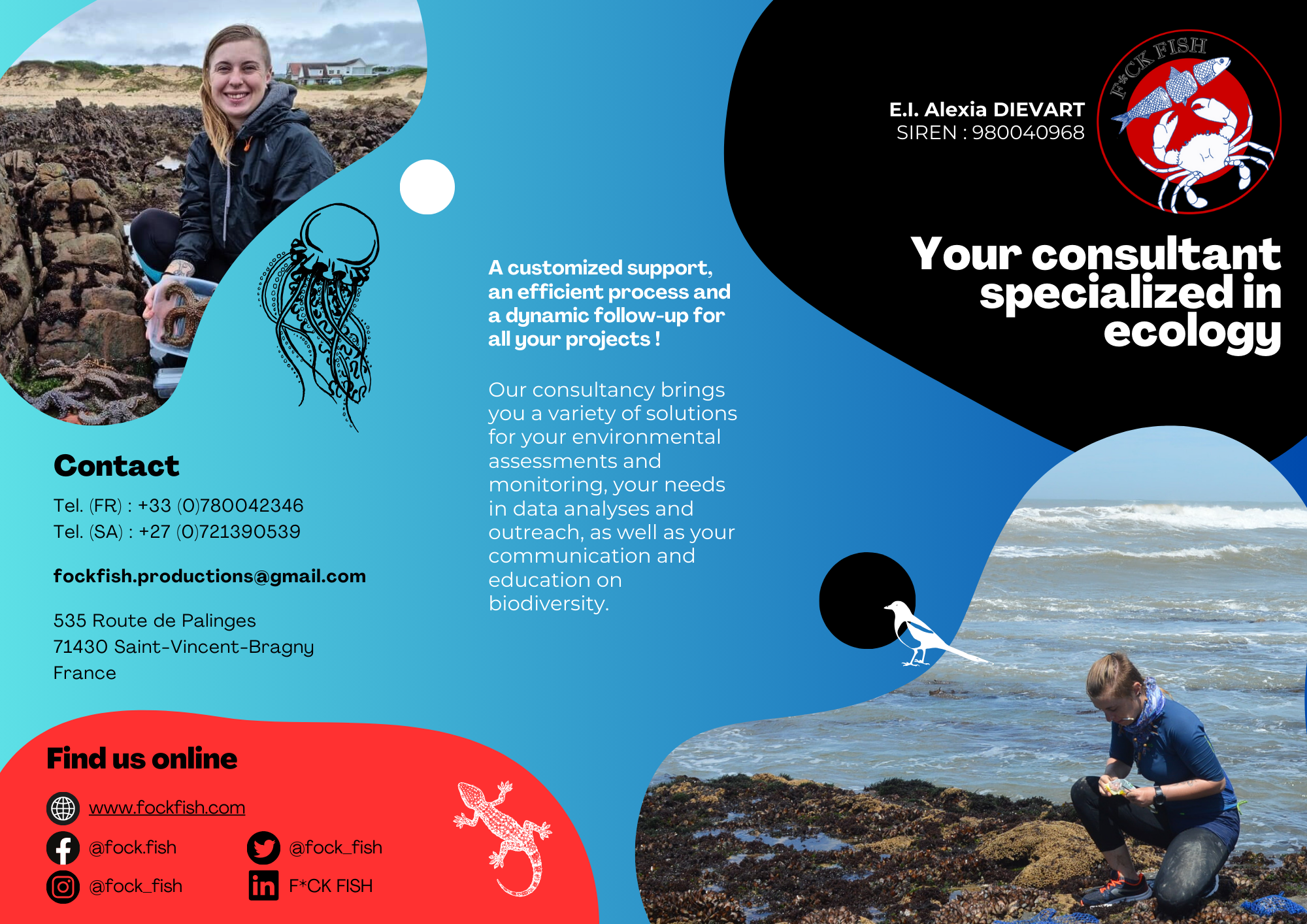
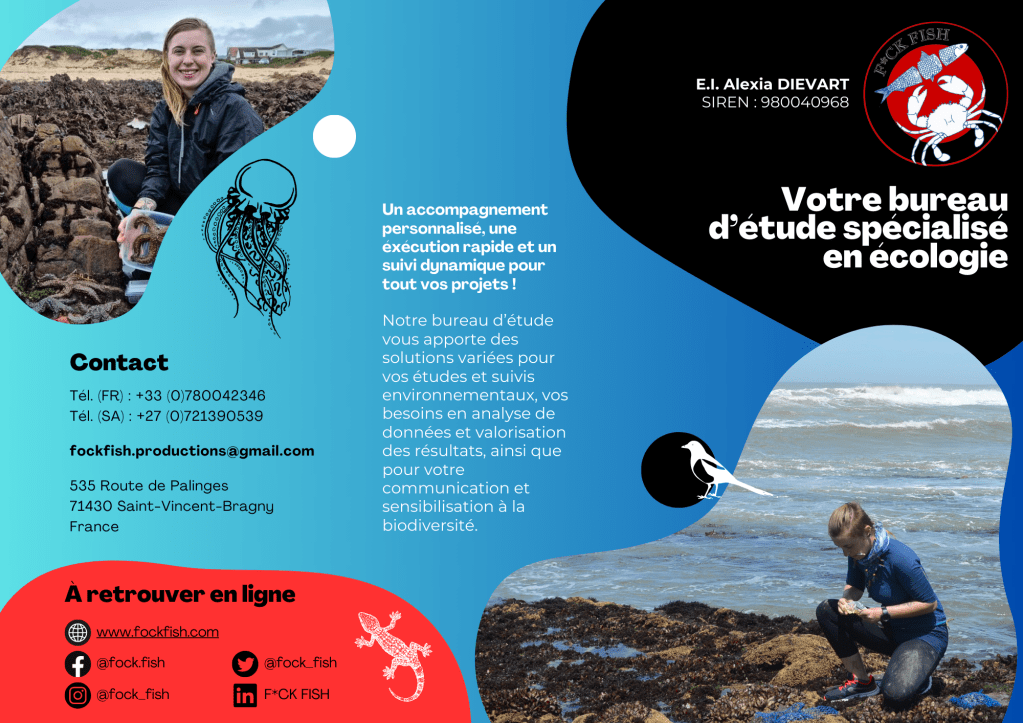
Looking for a customized support, an efficient process and a dynamic follow-up for all your environmental projects ?
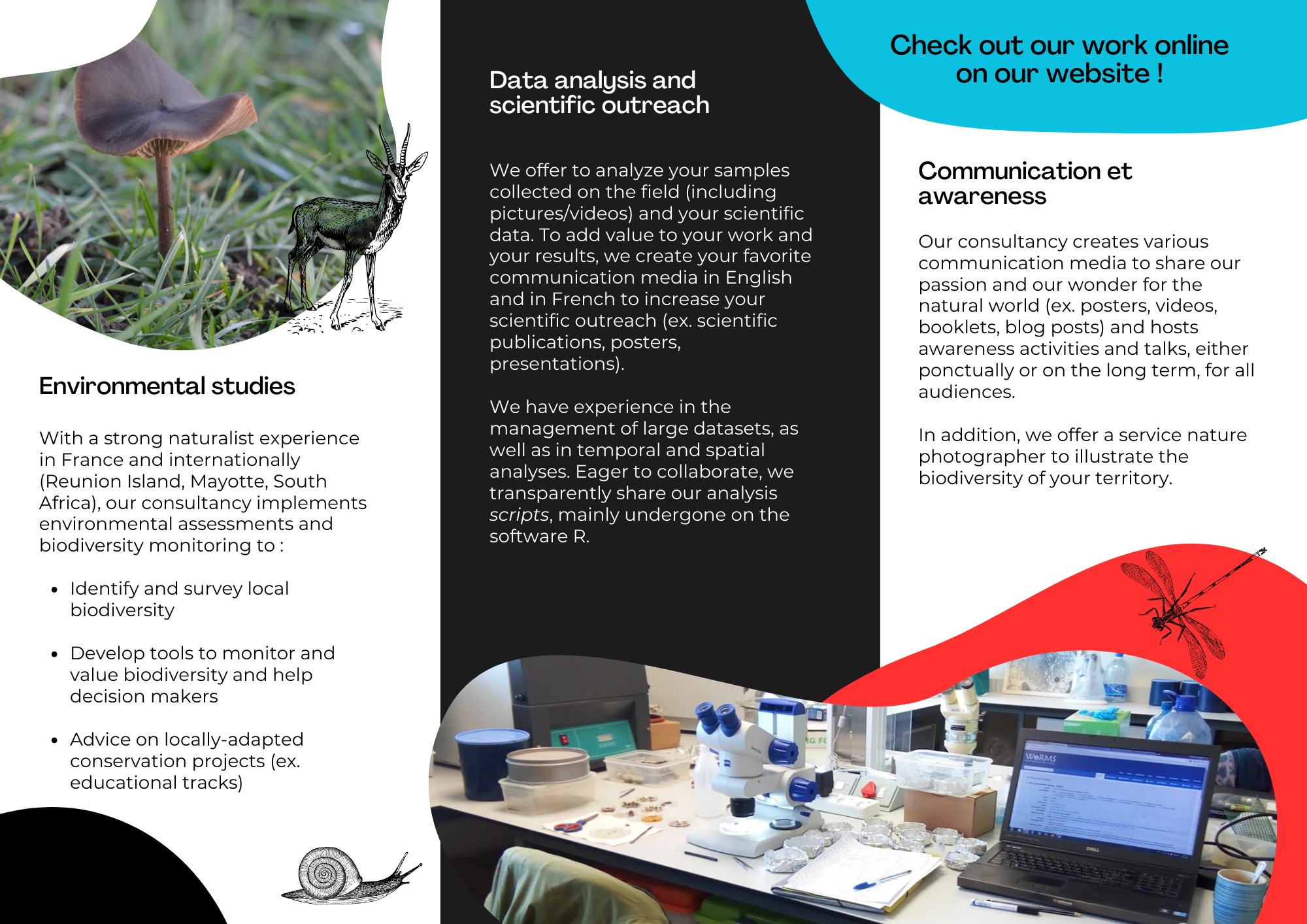
Our consultancy, F*CK FISH, specializes in the fields of biology, ecology and agricultural to bring you a variety of solutions for your environmental assessments and monitoring, your needs in data analysis and public outreach, as well as your communication and education about biodiversity.
Meet the team !
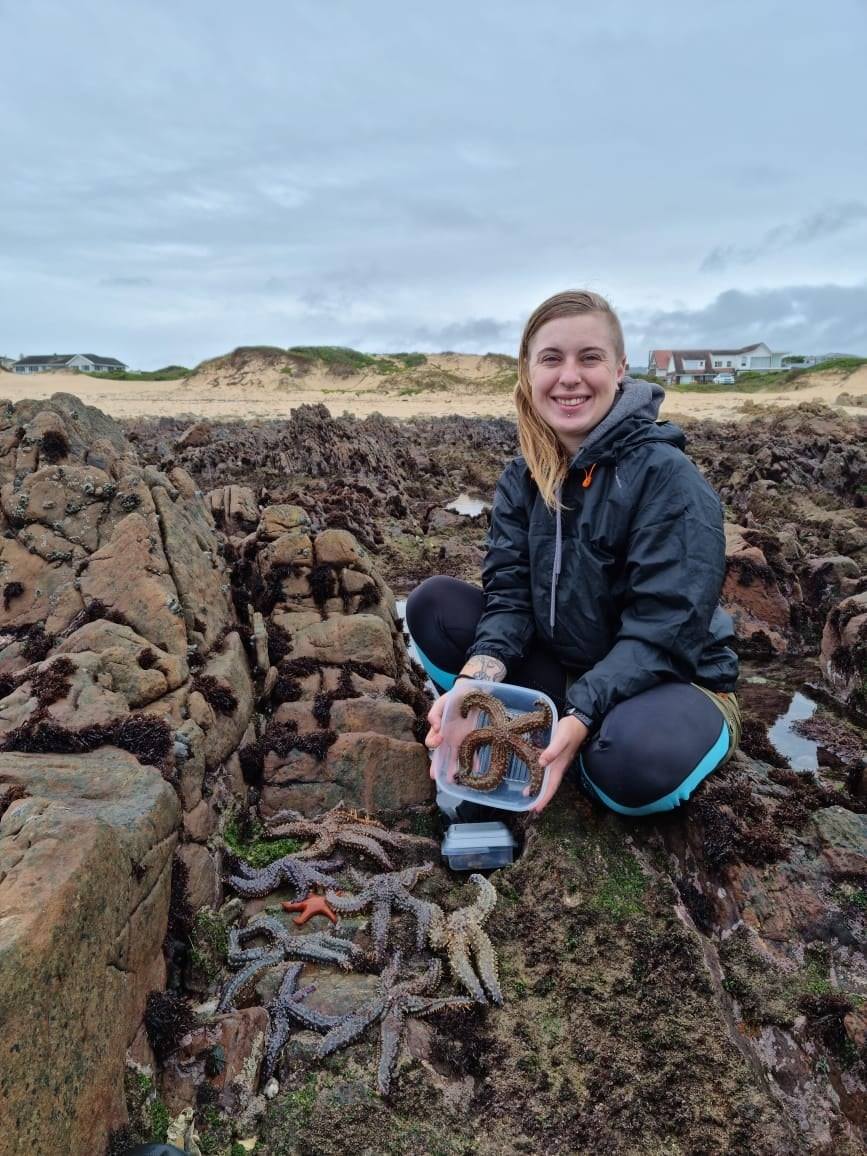
Hi ! My name is Alexia DIEVART and I am an ecologist/biologist, as well as a science communicator !
Although I specialize in coastal marine habitats, I have a great deal of experience investigating terrestrial and freshwater ecosystems, as well as urban and agricultural environments.
This page will fill you in on what I have been up to so far !
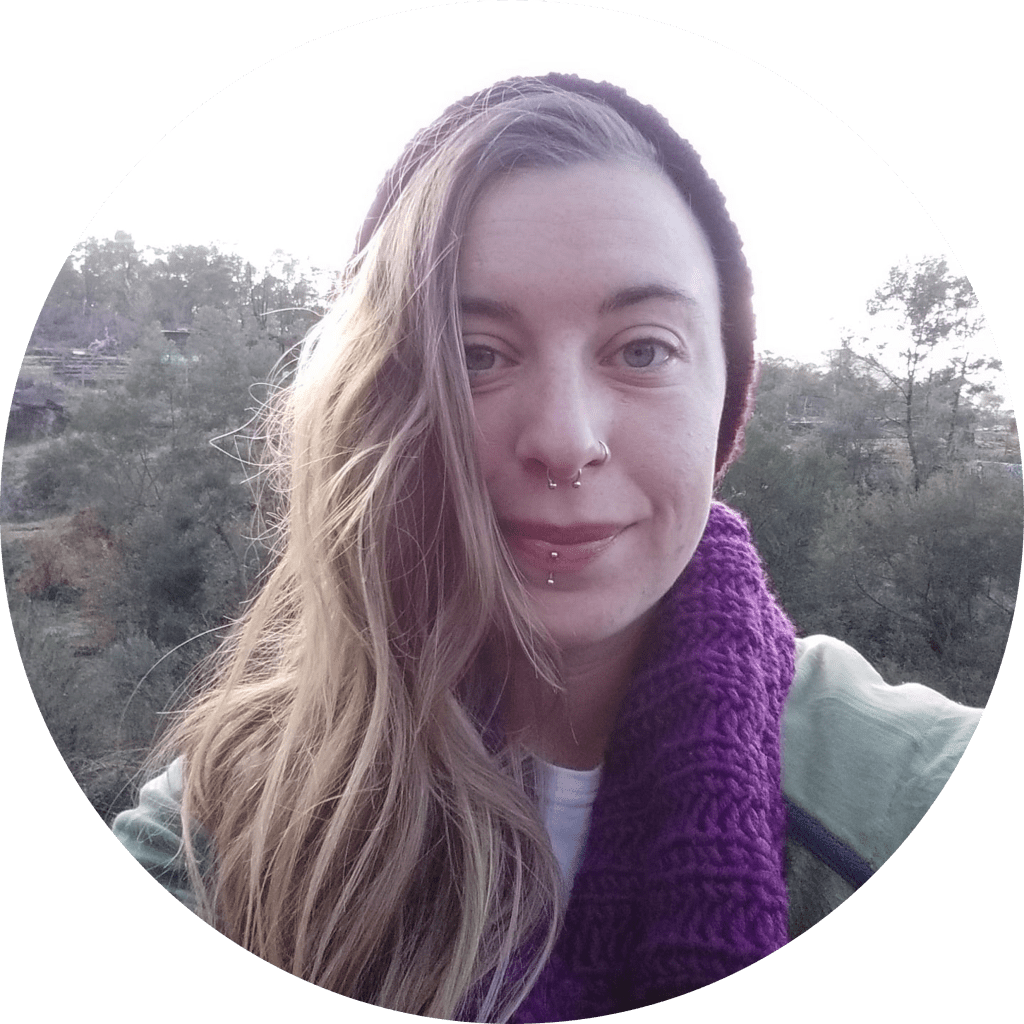
Born and raised in the North of France, a very industrialized region with few remaining natural spaces, I was longing to discover lush ecosystems, teaming with wildlife. At the age of 19, I had the opportunity to finish my Bachelor’s degree (BSc) in Population and Organism Biology at the University of Reunion Island, in a French overseas territory in the Indian Ocean. There, I discovered with wonder the beauty of tropical islands, with its diversity of habitats and endemic species, through countless hikes in the mountains and snorkeling sessions in the lagoon.
During this first year away from mainland France, I won two cash awards that allowed me to travel to Mayotte, another French island in the Comoros archipelago, and Madagascar.
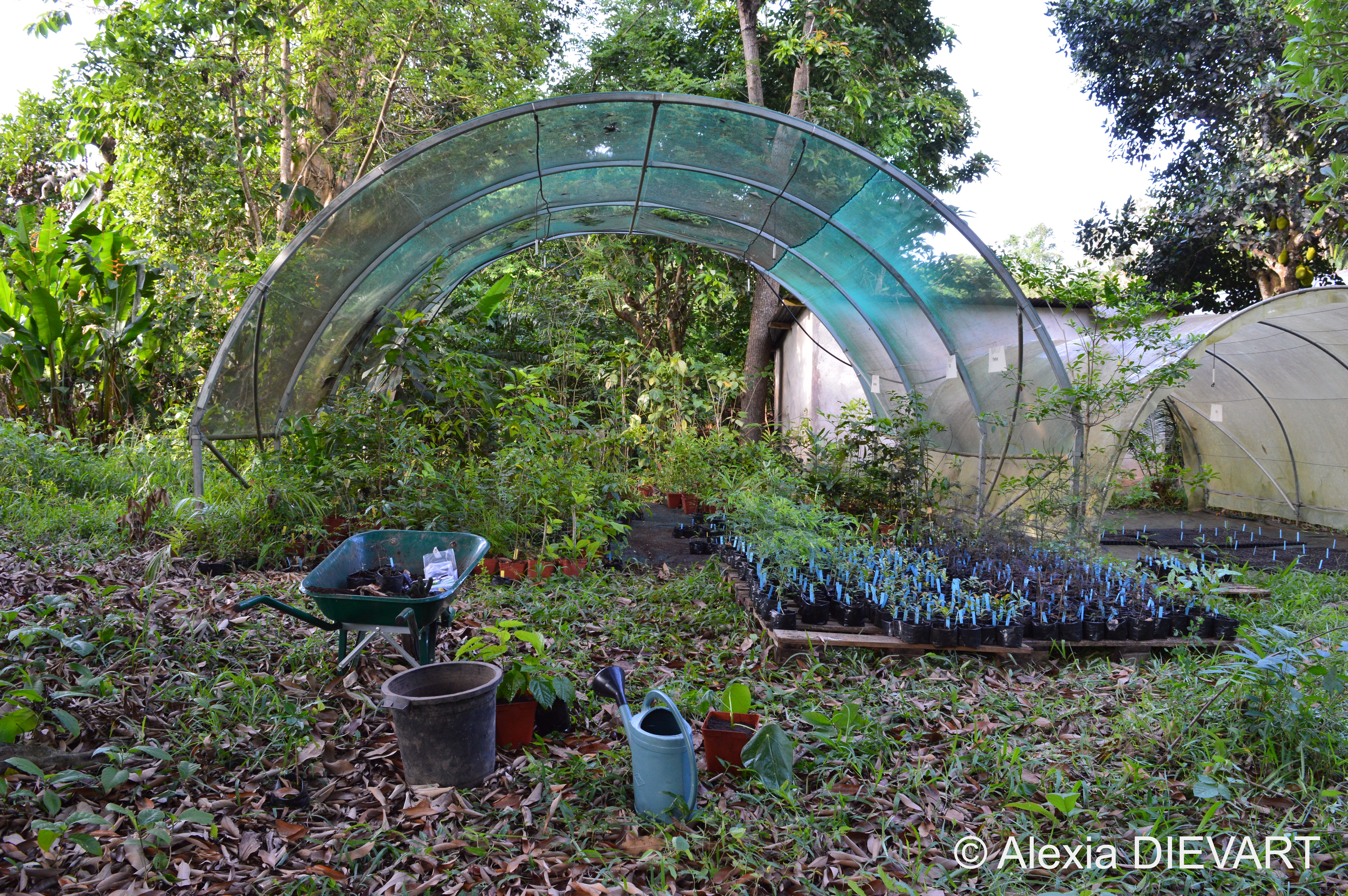
In Mayotte, I worked as a general-purpose technician at the local Botanical Conservatory, where I germinated and monitored the growth of a wide range of local plants for restoration projects, participated in surveys in mangroves and littoral ecosystems, and updated the Conservatory’s database to tackle the data backlog.
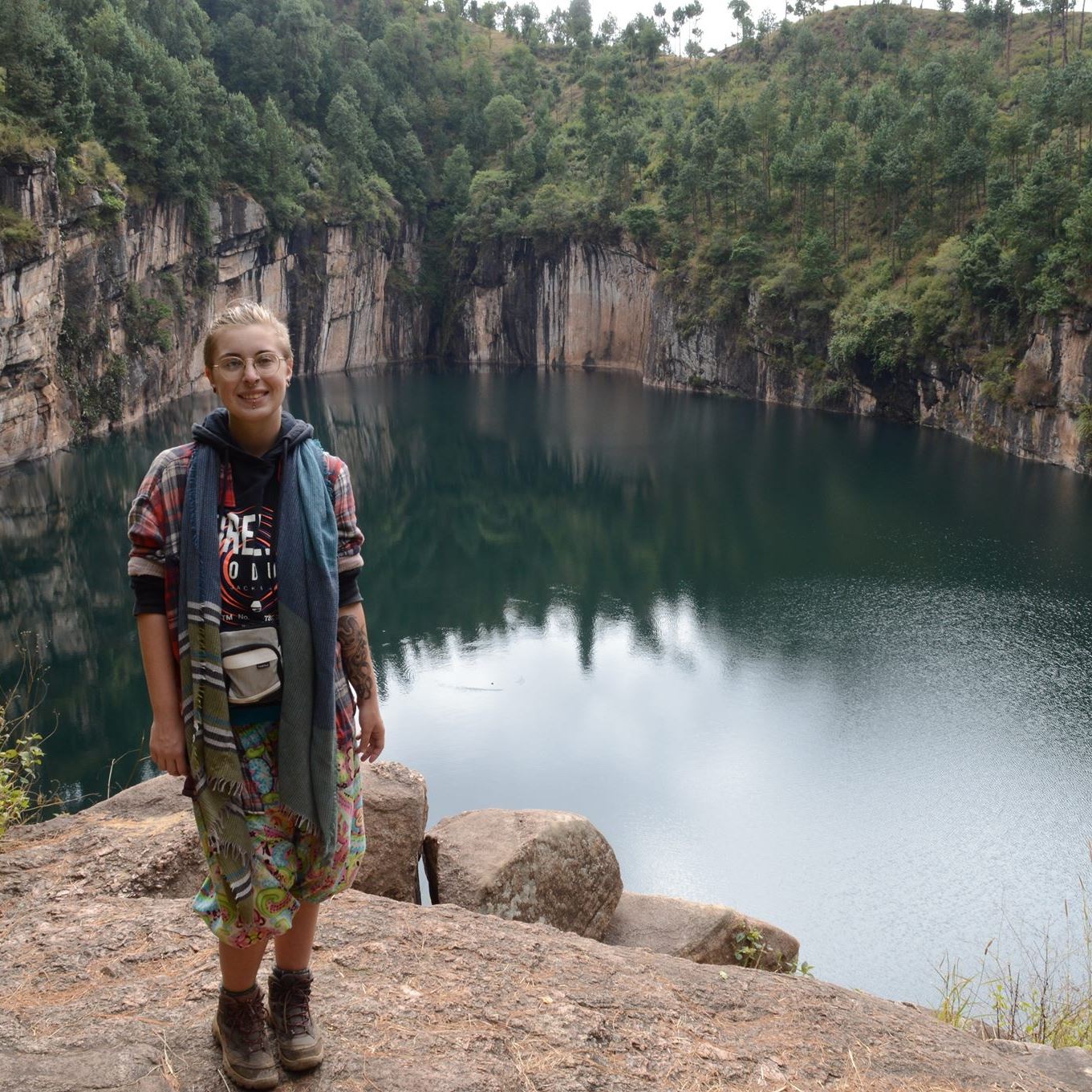
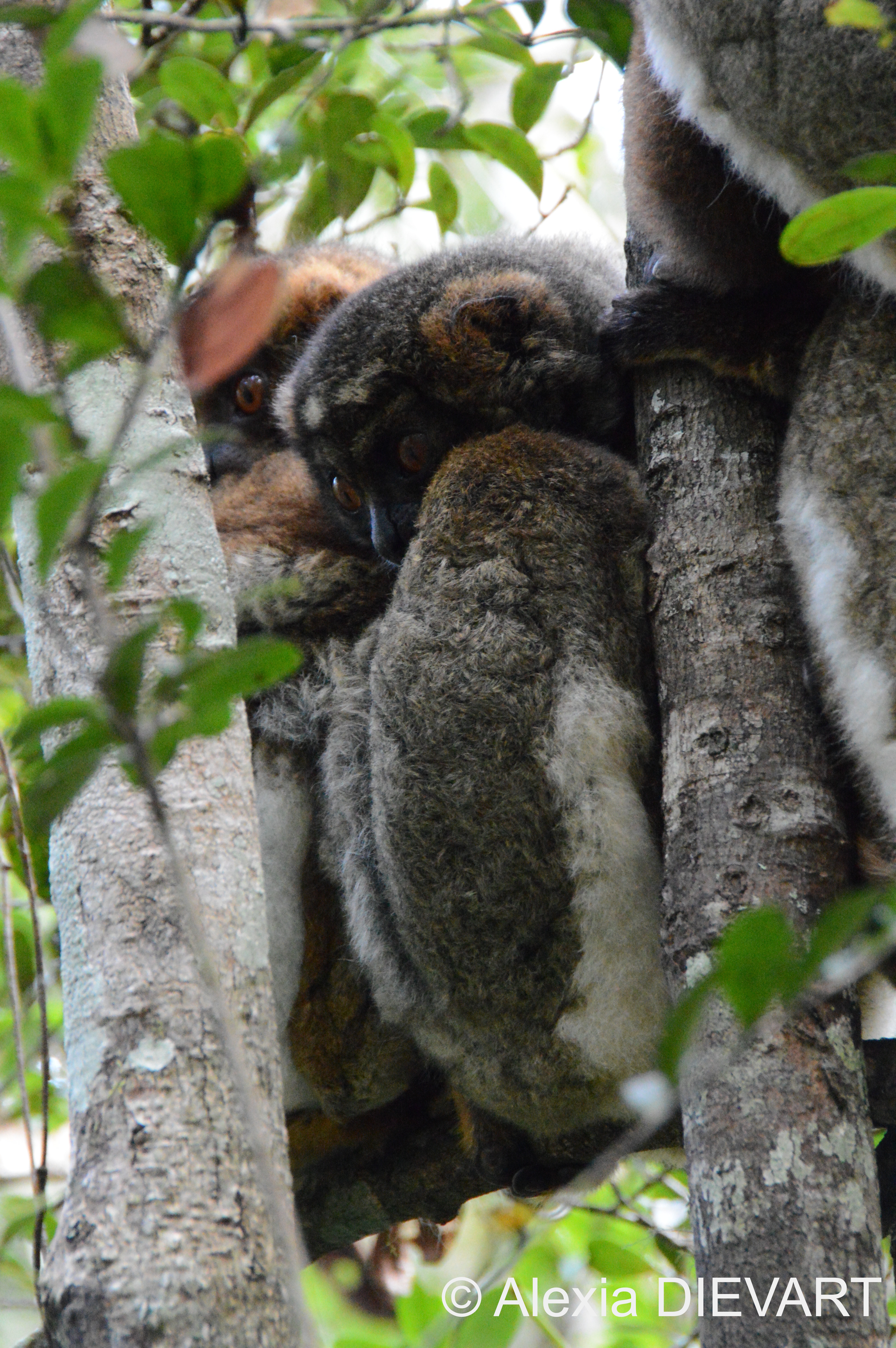
After graduating from my BSc, I decided to reward myself and discover Madagascar with a one-month solo road trip. Coming from Europe, this was a real slap in the face ! I traveled the same way as the locals, in bush taxis, and met wonderful people during my stay. I had the chance to witness many endemic species in their natural habitats, especially lemurs in pristine primary rainforests.
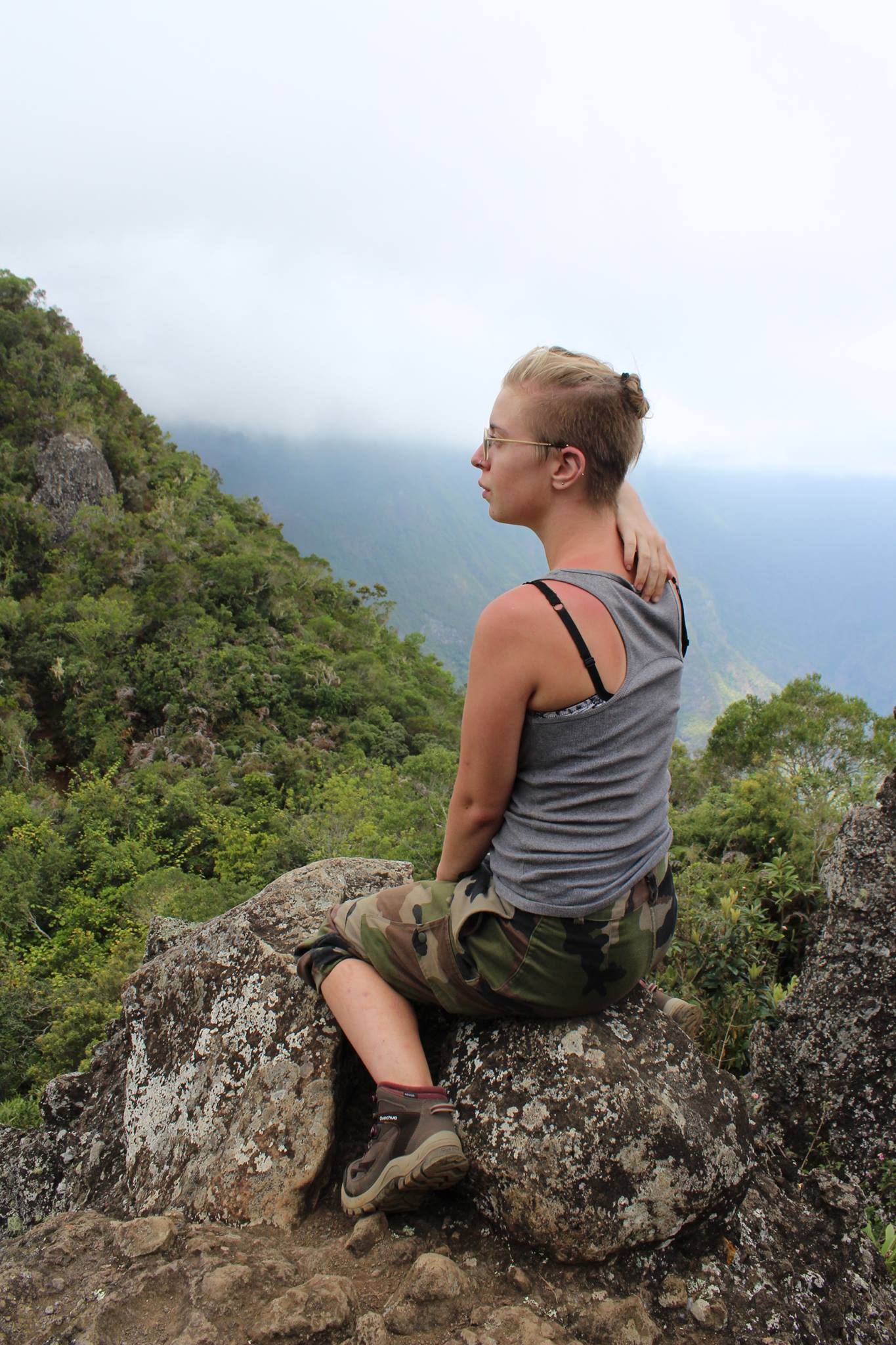
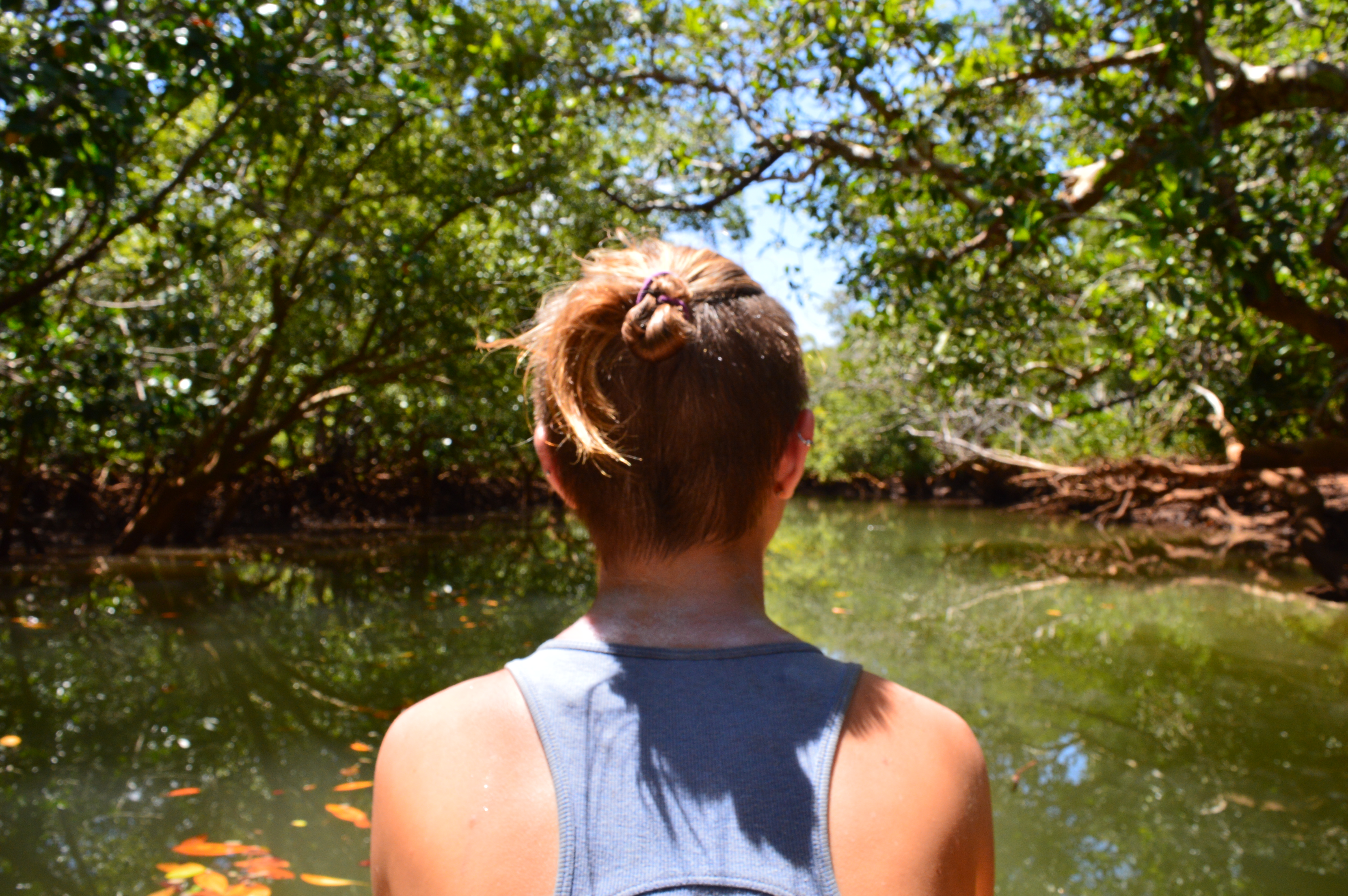
I continued my studies with a Master’s degree (MSc) in the Biodiversity of Tropical Aquatic, Coastal and Island Ecosystems at the University of Reunion Island. During these two years, I worked as an associated researcher for two research projects in order to complete my degree.
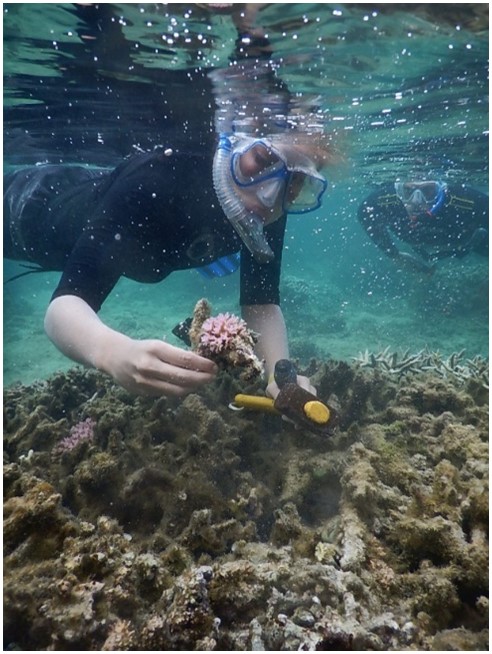
In 2017, I investigated the seasonality of coral spawning in Reunion Island with the local Marine Reserve. With my coworker, we created and animated a network of volunteers in order to monitor coral spawning in every lagoons of the island. In addition, we collected and maintained brooding corals (Pocillopora damicornis) to determine if the genetic composition of the spawned larvae.
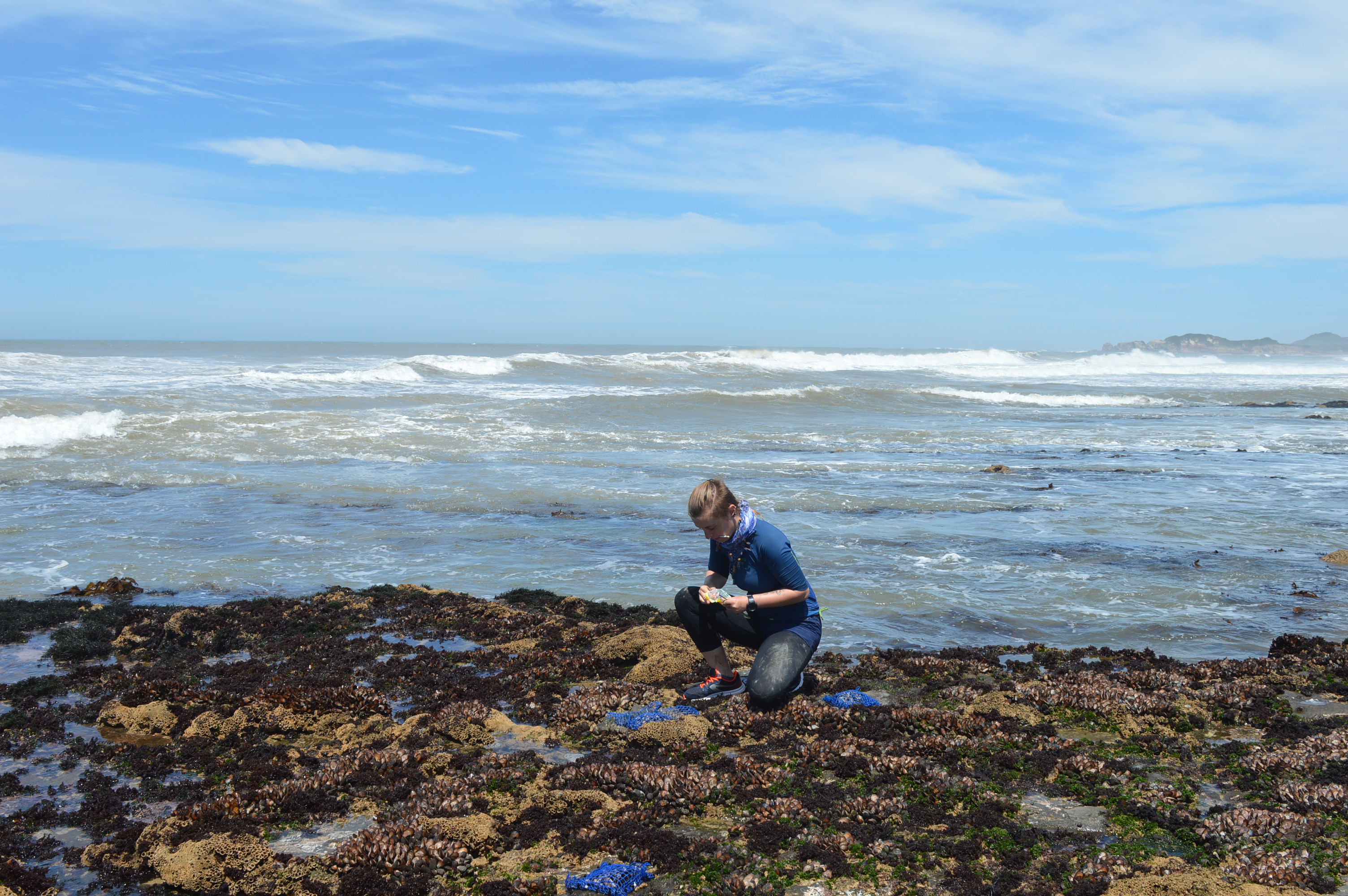
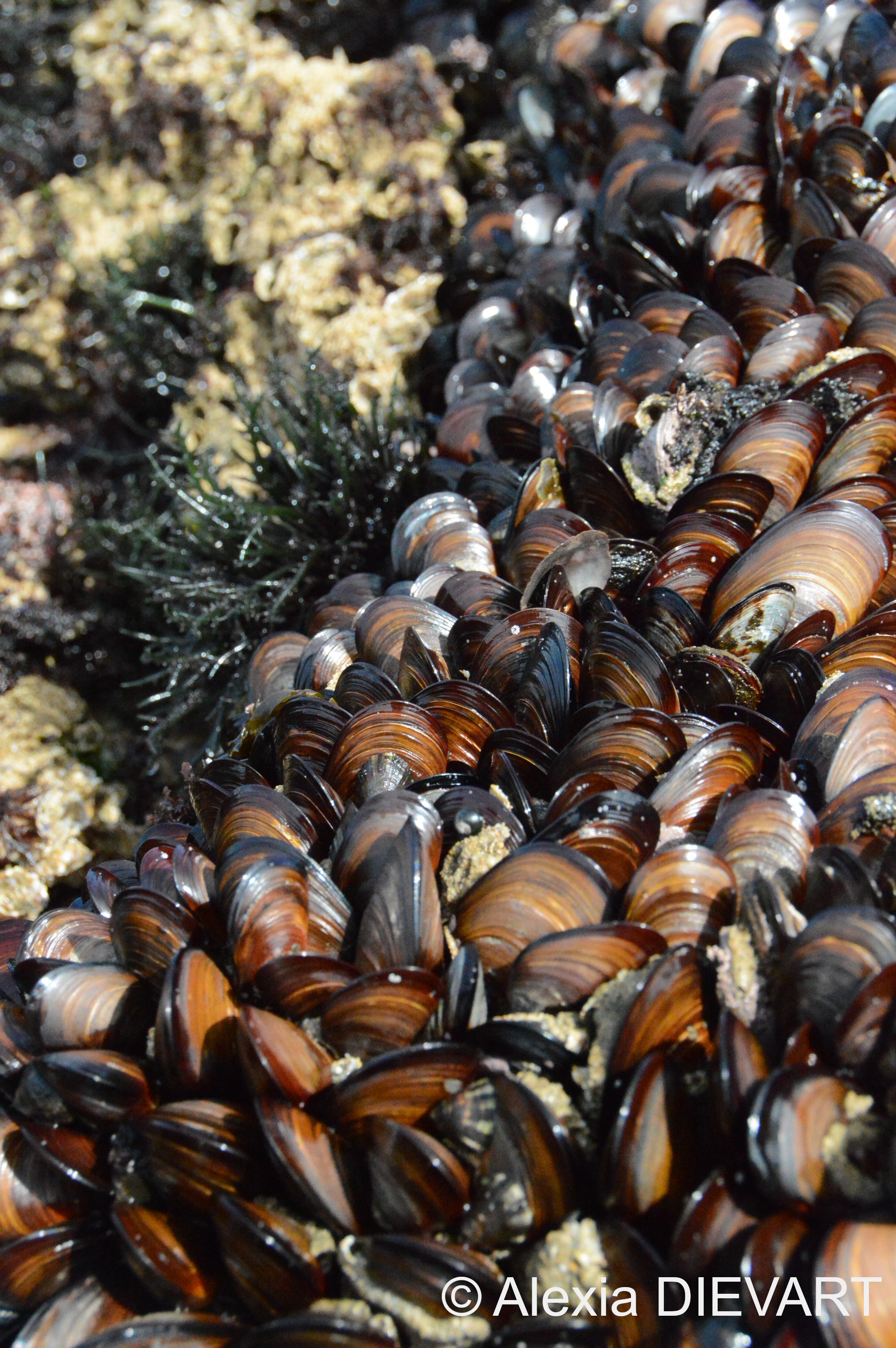
In 2018, I flew to Rhodes University in South Africa to investigate how intraspecific divergence in native marine mussels’ behavior would influence the quality of habitat they offer to associated marine species. On a sheltered rocky shore in the Eastern Cape, I implemented a field common-garden experiment for which I created artificial mussel beds made up of pure genetic lineages of the brown mussel (Perna perna). At the end of the experiment, I identified, sorted out, counted and weighted countless invertebrate species associated with mussel beds.
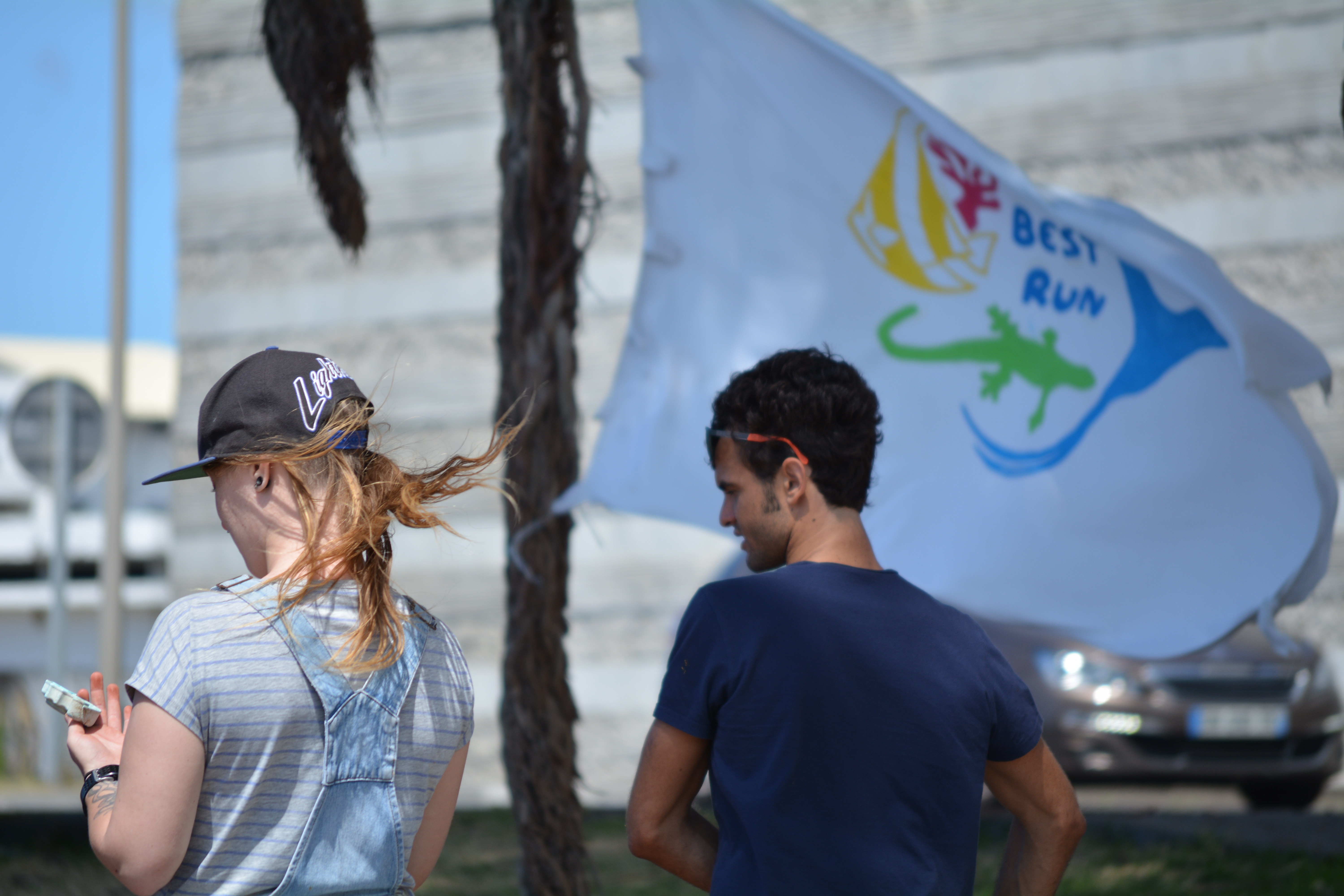
Meanwhile, my MSc colleagues and I funded a non-profit organization, BEST RUN, with the objective to study, protect and educated on the wonderful biodiversity of Reunion Island, and the Indian Ocean at large. I organized and participated to a wide range of environmentally-friendly activities, including but not limited to litter pick-up events, educational hikes in natural environments, invasive alien species removal programs, conservation and restoration projects, and science communication in schools. BEST RUN is still going strong today !
Straight after graduating from my MSc, I started working as a technical assistant in the fight against alien invasive species at the local Department of Environment, Planning and Accommodation (DEAL) in Reunion Island. In collaboration with public and private stakeholders involved, I participated to the draft of ministerial decrees relative to the ban of alien invasive species, in the hope to slow down or stop their introduction on the island and in natural habitats. Additionally, I reframed the public and scientific outreach of the institution on the thematic of alien invasive species by updating the website and social media of the Reunion Island Invasive Species Group, created or helped created several communication tools targeting different audiences (ex. quizzes, good practices guides, video spot for inflight broadcasting), and presented the results of the last 8 years of operational planning at scientific conferences in a poster format.
In 2019, I uprooted myself from Reunion Island to live in South Africa, as I took on a PhD offer in Marine Biology at the Coastal Research Group, at Rhodes University (Eastern Cape). This ended up being a great decision !
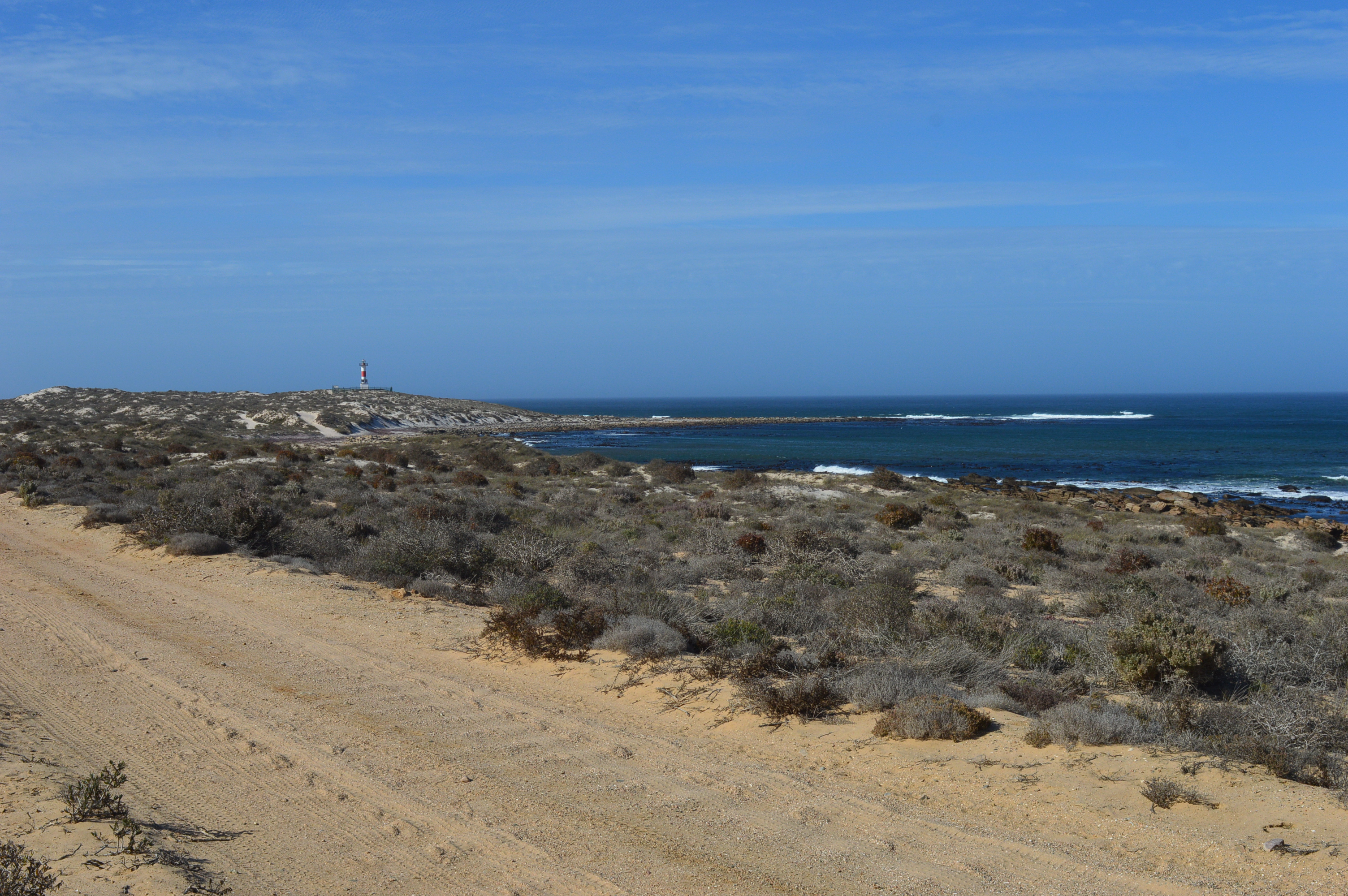
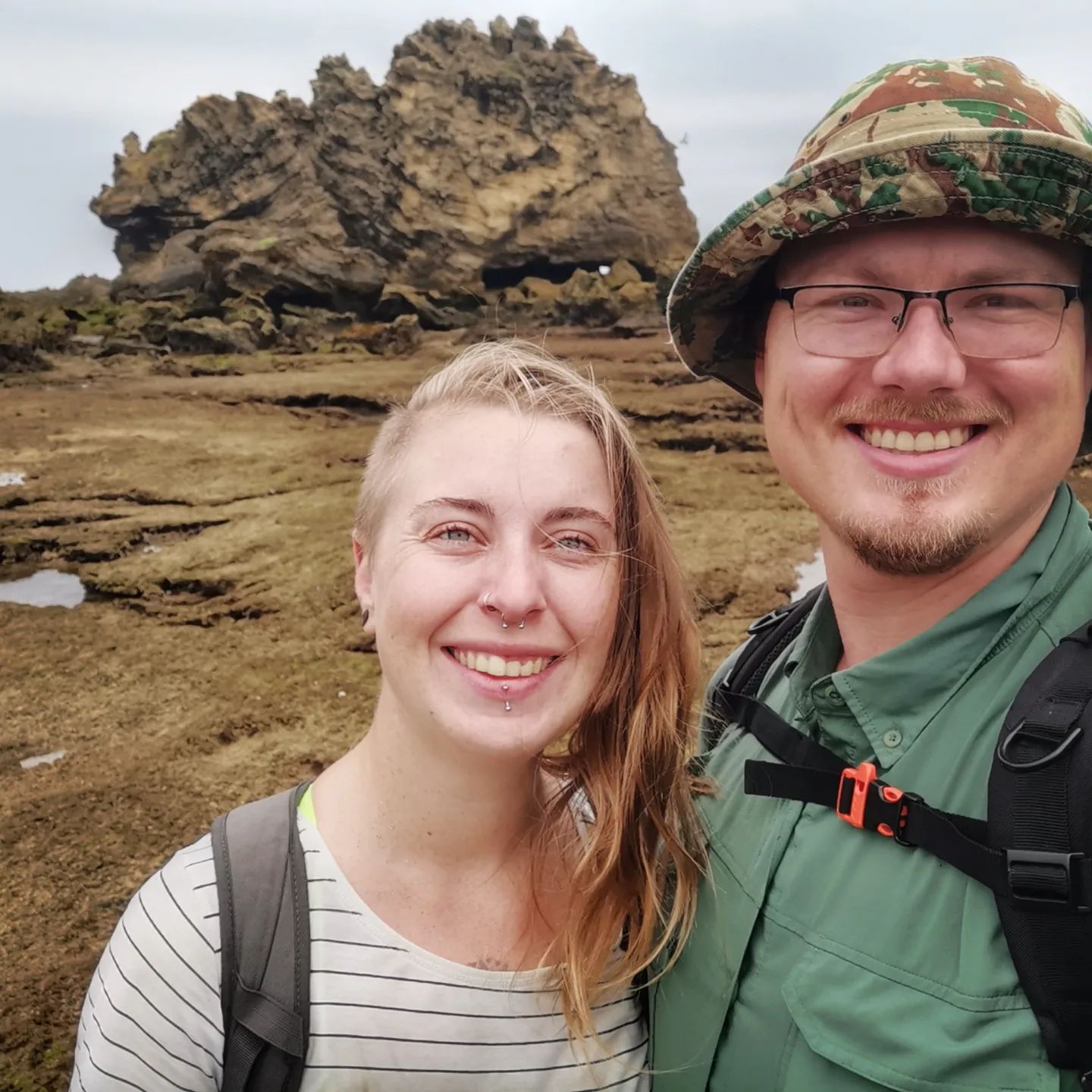
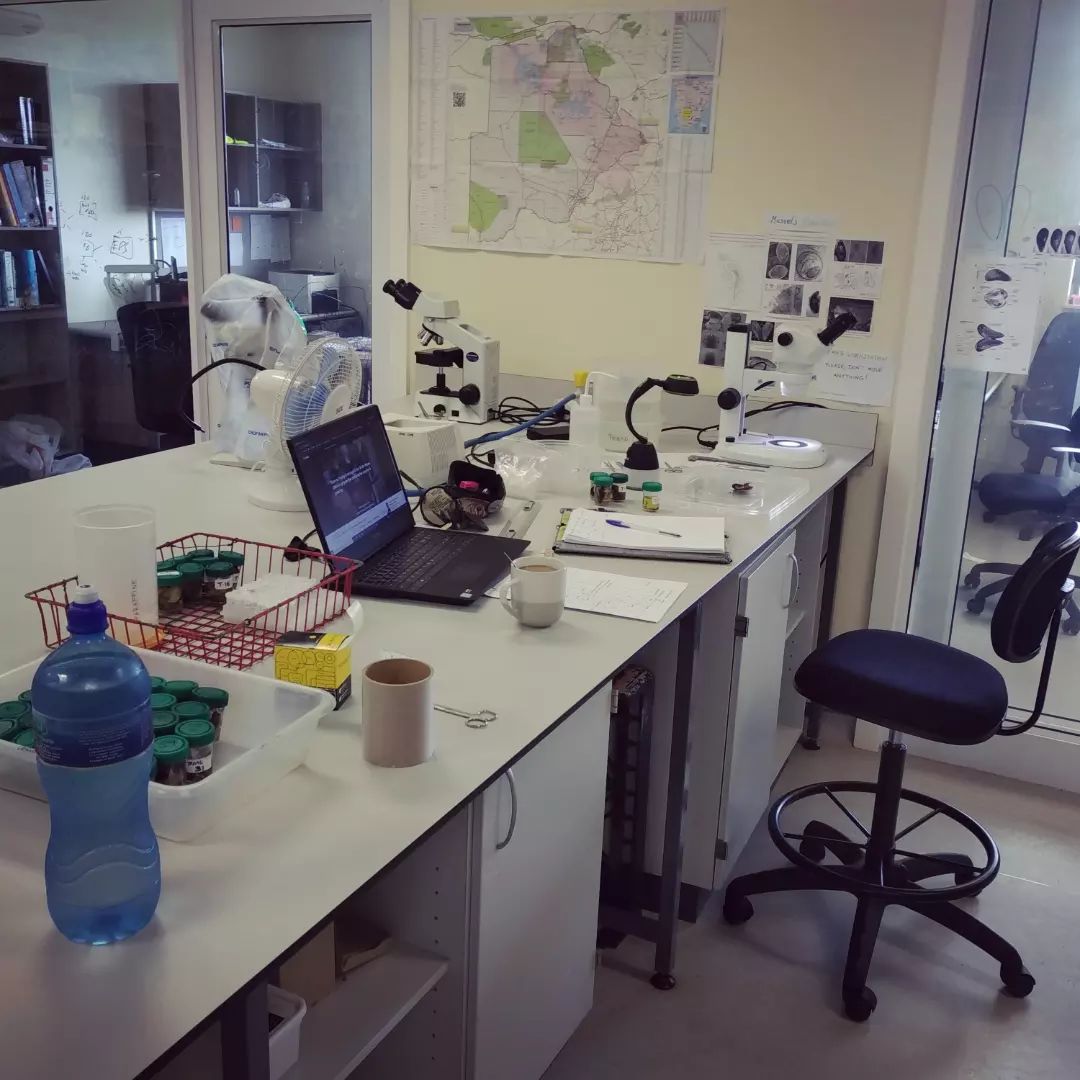
During 3 years, I investigated the ecological consequences of microscopic shell-boring parasites, called euendoliths, in the quality of habitat offered by mussel beds, focusing on the brown mussel Perna perna, on the rocky shores of South Africa. I had the chance to discover most of the South African coastline, from Hondeklipbaai on the West coast to Durban on the East coast, and its amazing biodiversity with my significant other. I shared my time between the field and the lab, spend months analyzing my data, and finally submitted my thesis in 2023.
Now, I created my own environmental consultancy business ! I can’t wait to help you out on your projects related to biodiversity, from environmental surveys to scientific outreach, going through data analyses.
 F*CK FISH