The class Hydrozoa – ‘water animal’ in Ancient Greek – comprises of individually very small, predatory animals, some solitary and some colonial, most of which inhabit saline water. Hydrozoans are related to jellyfish and corals, and belong to the phylum Cnidaria. There are about 286 species of hydroids in southern Africa.
Hydroids form colonies of numerous individuals – called polyps – that often take the shape of trees or feathers. The polyps have a ring of stinging tentacles around the mouth that they used for defense and to capture microscopic animals.

Did you know ?
In some species, the colony has an external skeletal sheath – called the perisarc – and each polyp is protected in a cup-like housing – the hydrotheca.
The numbers of teeth on the margin and the shape of the hydrothecae distinguish species.
Some polyps are reduced to a single, long, stinging tentacle and housed in tubular nemathothecae. Sac-like reproductive structures on the colony – called gonothecae – form literal miniature jellyfish – called medusae – which reproduce sexually, yielding larvae that initiate the next generation of polyps.
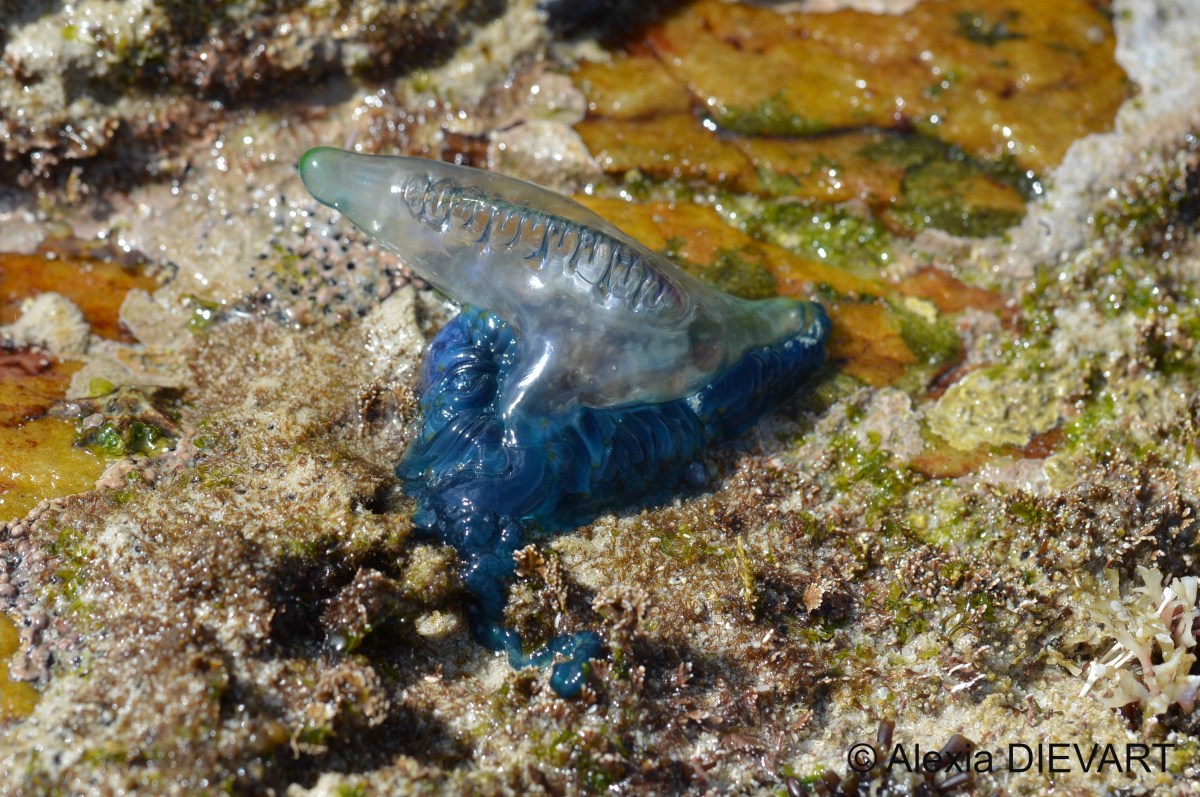
The most unusual of the hydrozoans are floating forms that consist of colonies of highly specialized individuals. One individual is modified into a float and has a gas gland that inflates it with a mix of nitrogen and carbon monoxide. Gastrozooids – the tubular individuals with a mouth – take in and digest food, which is then distributed to the rest of the colony. Dactylozooids consist of a single massive tentacle for defense and prey capture, while gonozooids only have a reproductive function.
 F*CK FISH