The phylum Mollusca is one of the largest marine groups, comprising 23% of all the described marine organisms and more than 5 000 species in southern Africa, and the second largest animal phylum overall after Arthropoda.
Although highly diverse in size, anatomical structure, behaviour and habitat, all molluscs have an unsegmented body that is divided into a head, a visceral mass with the digestive and reproductive systems, and a ‘foot’. Most have a ribbon-like rasping ‘tongue’ – called a radula – to process the food, which is a unique feature of molluscs. Nearly all secrete a lime shell that covers the body.
Members of the phylum Brachiopoda, the lamp shells, also have a calcium carbonate shell but are only distantly related to molluscs. Lamp shells have two plates (or valves) to their shell, one ventrally beneath the body and another dorsally above it. Most are attached by a short stalk, called a peduncle. The shape of the shells and this protruding ‘wick’ give these animals the name of lamp shells. Although Brachiopoda once dominated the early seas, but are now represented by a handful of species.
The phylum Mollusca is divided into seven classes, five of which include often-encountered marine species :
- Tusk shells (or tooth shells), from the class Scaphopoda, are little known but easy to distinguish thanks to their tusk-shaped shells. They are exclusively infaunal, meaning they live buried in the organic sediments of the bottom substratum.
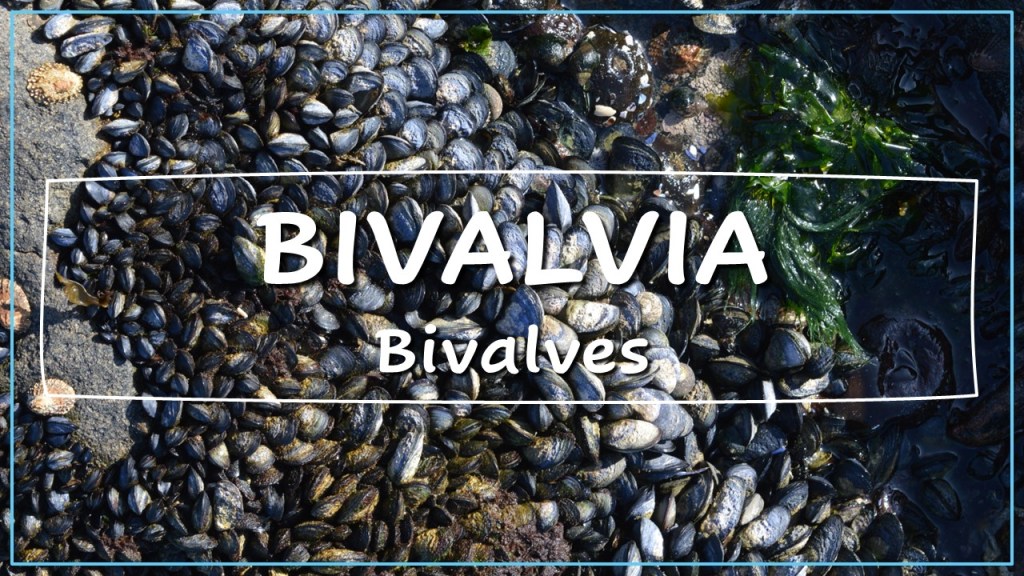
- Members of the class Bivalvia, such as mussels, clams and oysters, have a shell that consists of two valves. Unlike lamp shells, their valves are hinged together dorsally and extend down laterally on either side of the body to encase it. Most bivalves have large gills, used both for respiration and to filter out tiny food particles. Because of this diet, bivalves lack a radula. Many burrow in sand and have a large wedge-shaped foot for this purpose. Meanwhile, mussels attach to the rocky shores thanks to their bear0like byssus, while oysters and their kin cement one valve to the rock-face.
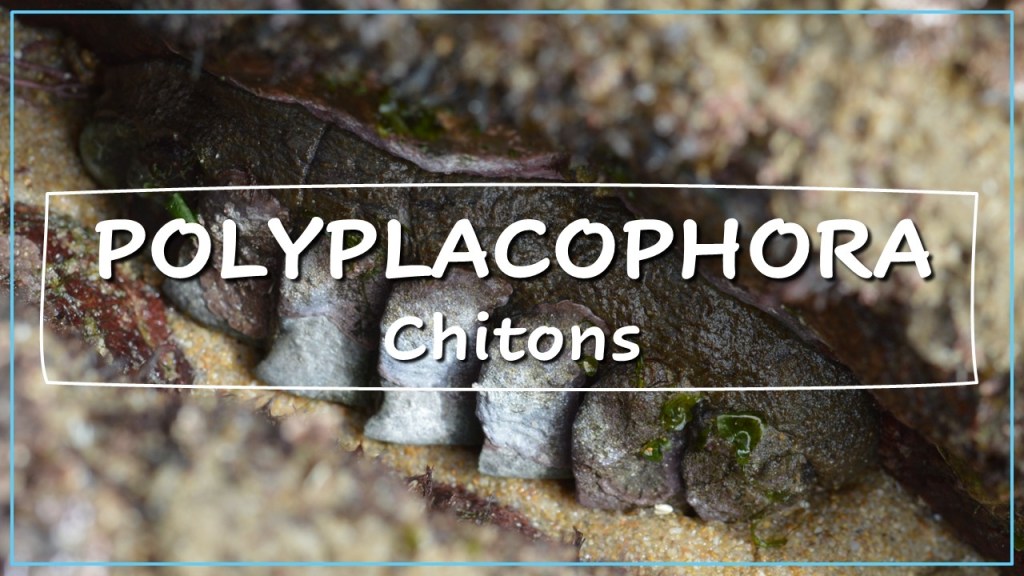
- Chitons, in the class Polyplacophora, are easily recognizable because their shells are split into eight dorsal plates that cover the center of the body. Surrounding the plates is a girdle, and beneath the body lies a broad foot that provides tenacious attachment to rocks. Chitons are herbivores and have strongly toothed radulae.
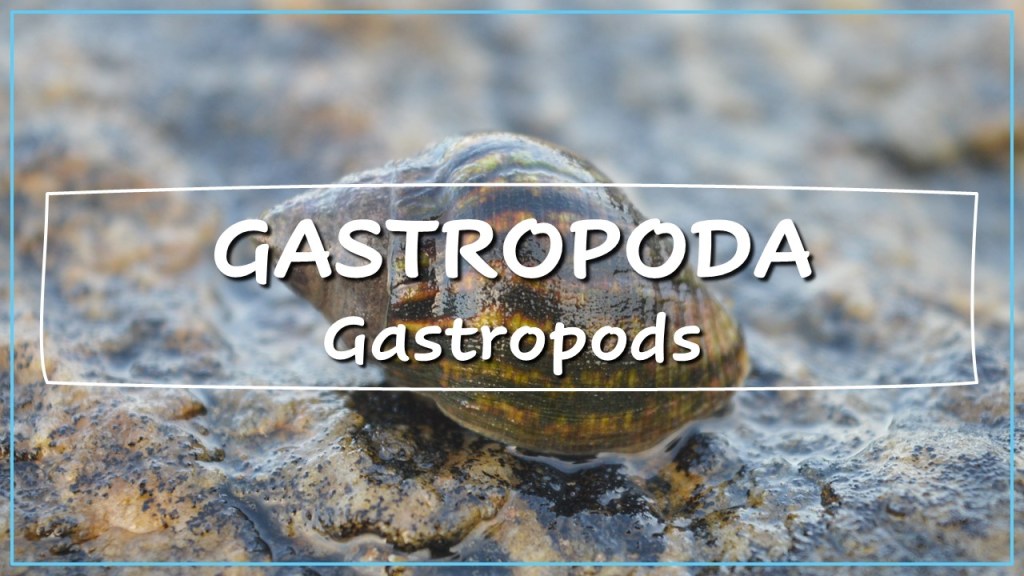
- The class Gastropoda is the largest within the phylum Mollusca, and includes the snails, winkles, whelks and sea slugs.
- Most species belong to the class Prosobranchia and have a spiral shell, a well-developed head with tentacles and a radula, and a large, flat foot used for locomotion. Primitive gastropods are herbivores, rasping seaweeds and microalgae. More advanced forms are predators, and have a long proboscis and a cylindrical siphon. To house the latter, the shell of predatory snails often has an anterior canal or groove, betraying the animals’ predatory habits.
- Most gastropods are shelled, but many of the subclass Opisthobranchia, which includes sea slugs, sea hares and nudibranchs, have forsaken their shells and lost their original hills. While the reason for these losses is unknown, it has been speculated that their ancestors were sand-burrowers for whom a heavy shell and external gills would have been a hindrance. Lacking a shell, modern opistobranchs protect themselves in different ways. Many produce toxins that make them poisonous. Others consume anemones and bluebottles and then build the stinging cells of their prey into their own tissues. To advertise their unpalatable nature, most are vividly patterned and exquisitely coloured, so that it is a travesty to call them by their mundane common name – ‘sea slugs’. Although there are several groups within the subclass, pride of place goes to the order Nudibranchia, comprising of the most stunningly beautiful creatures in the sea.
- Cephalopods, such as octopus, squid and cuttlefish, belong to the class Cephalopoda and are among the most highly evolved of all invertebrates. Their ‘foot’ is modified into eight or ten long tentacles armed with suckers. Most cephalopods are active, predatory swimmers, with eyes as complex as those of humans and a greater capacity for learning than any other invertebrates.
Species Gallery
 F*CK FISH