
As the name implies, bivalves are a class of marine and freshwater mollusks that have laterally compressed bodies enclosed and protected by a pair of shell valves, which are hinged together along the back by an elastic ligament. This stretches when the animal clamps the valves together and springs them apart when the animal relaxes. As a group, bivalves have no head and they lack some usual molluscan organs, like the radula and the odontophore.
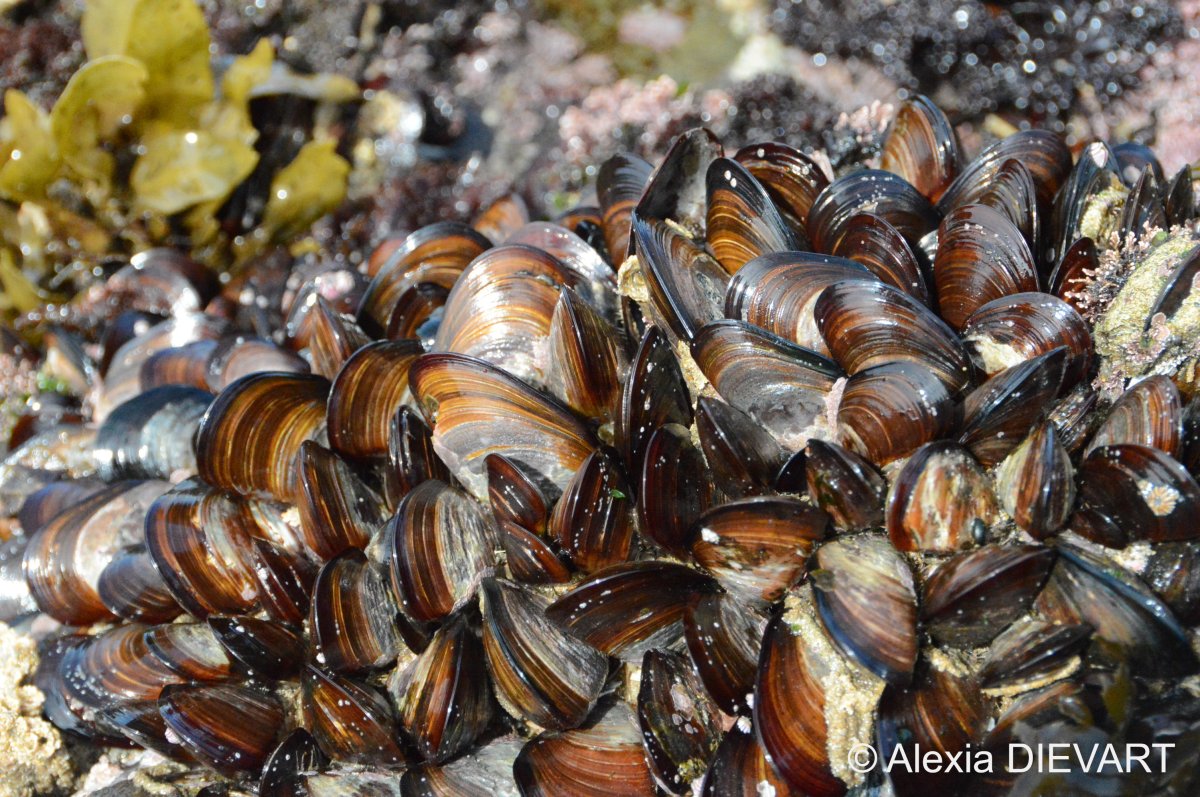
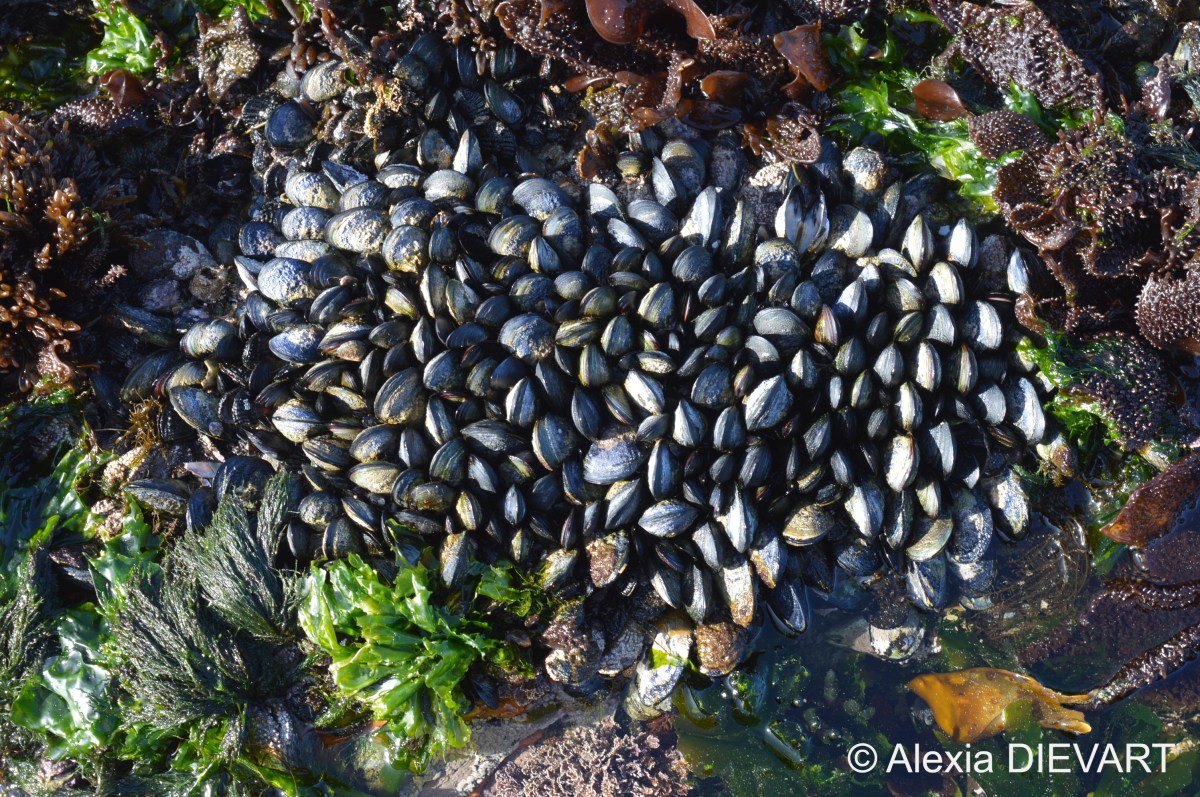
Bivalves have limited mobility and most either cement one valve to the substratum, fasten themselves down with byssal threads, or burrow into sand, mud, wood or even rock. Only a few can swim. Nearly all bivalves are filter-feeders, sucking water in through an inhalant siphon, sieving it through enlarged, sheet-like gills, and then expelling the waster water through an exhalant siphon.
Much of the body consists of gonad, and in most species, enormous numbers of sperm and eggs are shed into the water, where they develop into planktonic larvae. A few species brood their eggs.
In previous centuries, Bivalvia were referred to as the Lamellibranchiata and Pelecypoda.
 F*CK FISH