The class Gastropoda is the largest in the phylum Mollusca and incorporates snails, winkles, whelks, limpets and sea slugs.
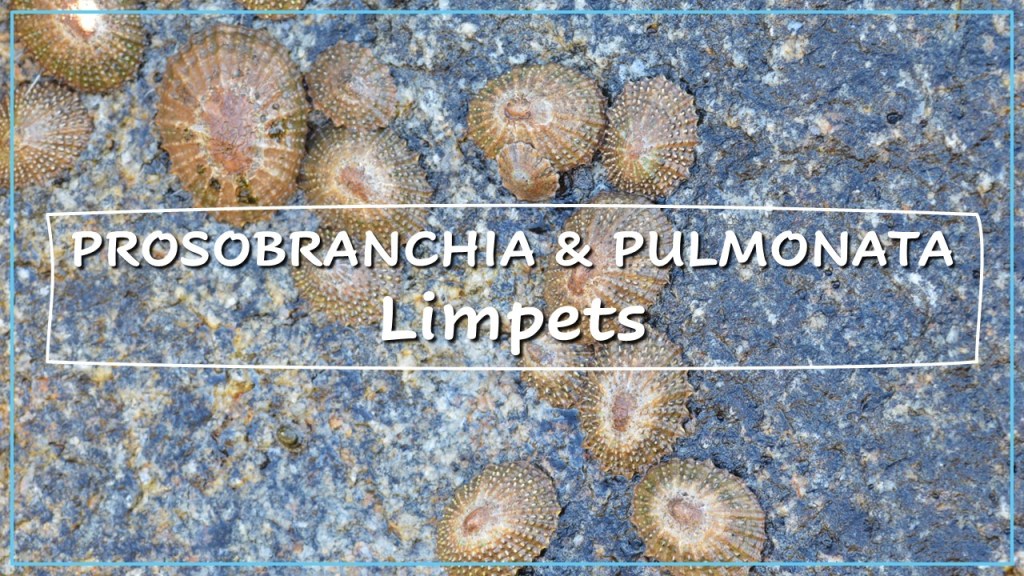
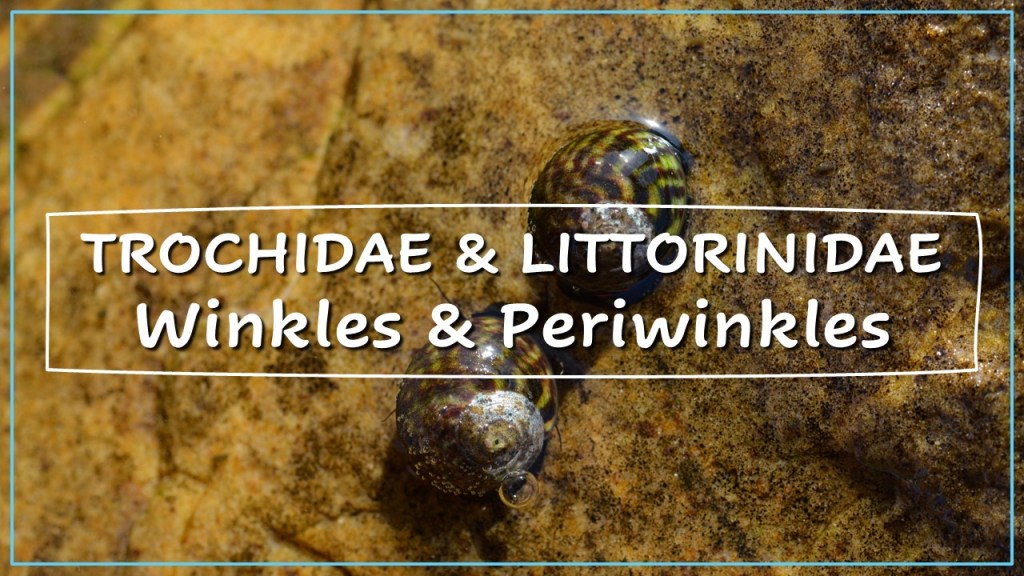
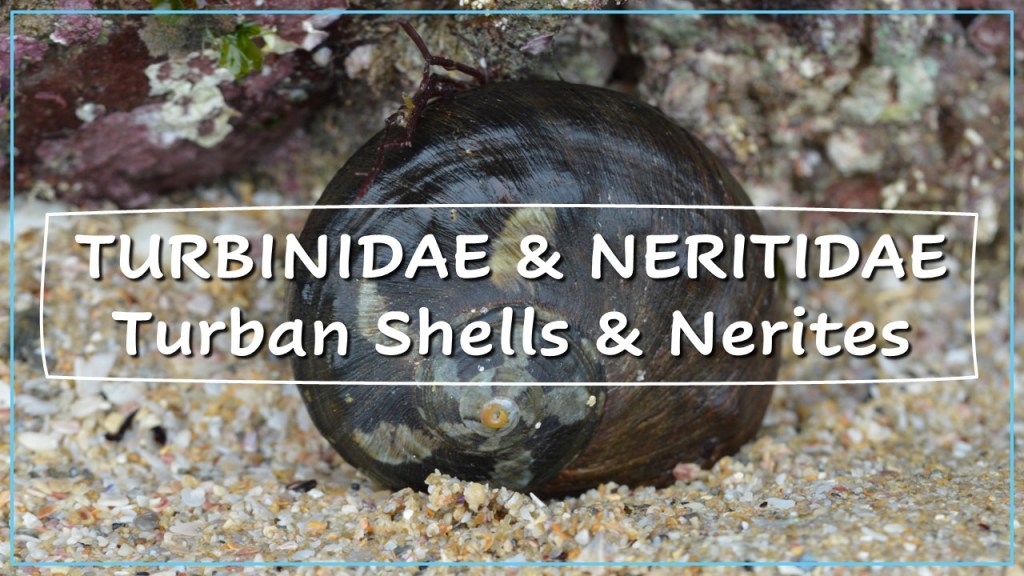
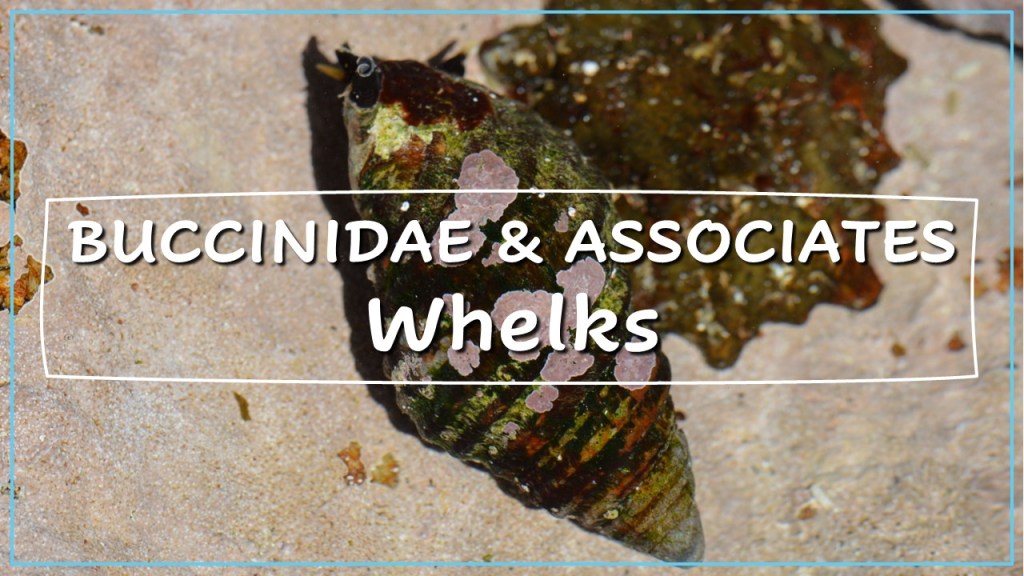
Most species belong to the subclass Prosobranchia, which incorporates the majority of marine gastropods, as well as a few land snails and freshwater snails. They have a spiral shell, a well-developed head with tentacles and a radula, and a large, flat foot used for locomotion. Primitive members are herbivores, rasping seaweeds and microalgae. More advanced forms are predators and have a long proboscis and a cylindrical siphon. To house the latter, the shell has an anterior canal, or groove, betraying the animal’s predatory habits.
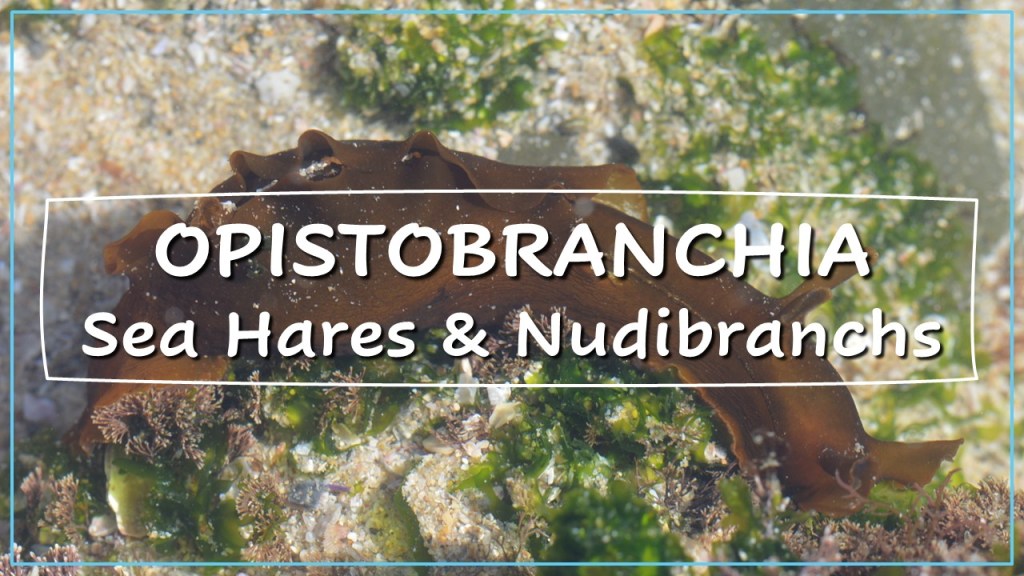
Most gastropods are shelled, but many of the subclass Opisthobranchia, which includes sea slugs, sea hares and nudibranchs, have forsaken their shells and lost their original gills. The reason for these losses is unknown, but it has been speculated that their ancestors were sand-burrowers, for whom a heavy shell and external gills would have been a hindrance. Lacking a shell, modern forms protect themselves in different ways. Many produce toxins that make them poisonous. Others consume anemones or bluebottles and then build the stinging cells of their prey in their own tissues. To advertise their unpalatable nature, most are vividly patterned and exquisitely colored, so that it is a travesty to call them by their mundane common name – ‘sea slugs’. Althought there are several groups within the subclass, pride of place goes to the order Nudibranchia, probably the most stunninghly beautiful creatures in the sea.
Species Gallery

 F*CK FISH