Although sea squirts, or ascidians, might appear somewhat featureless, they are in reality highly advanced animals, closely related to the vertebrates. These affinities are most evident in the larvae, which are tadpole-like creatures with a primitive backbone, nerve cord and tail.
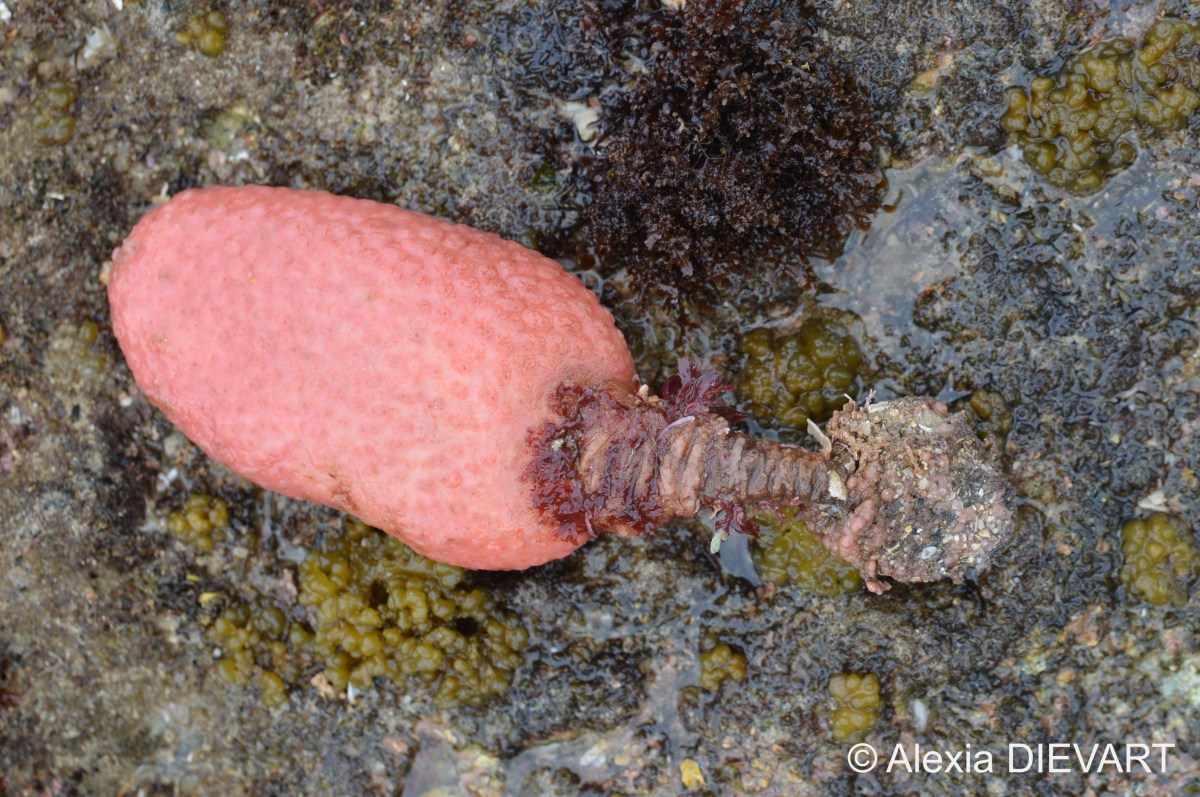
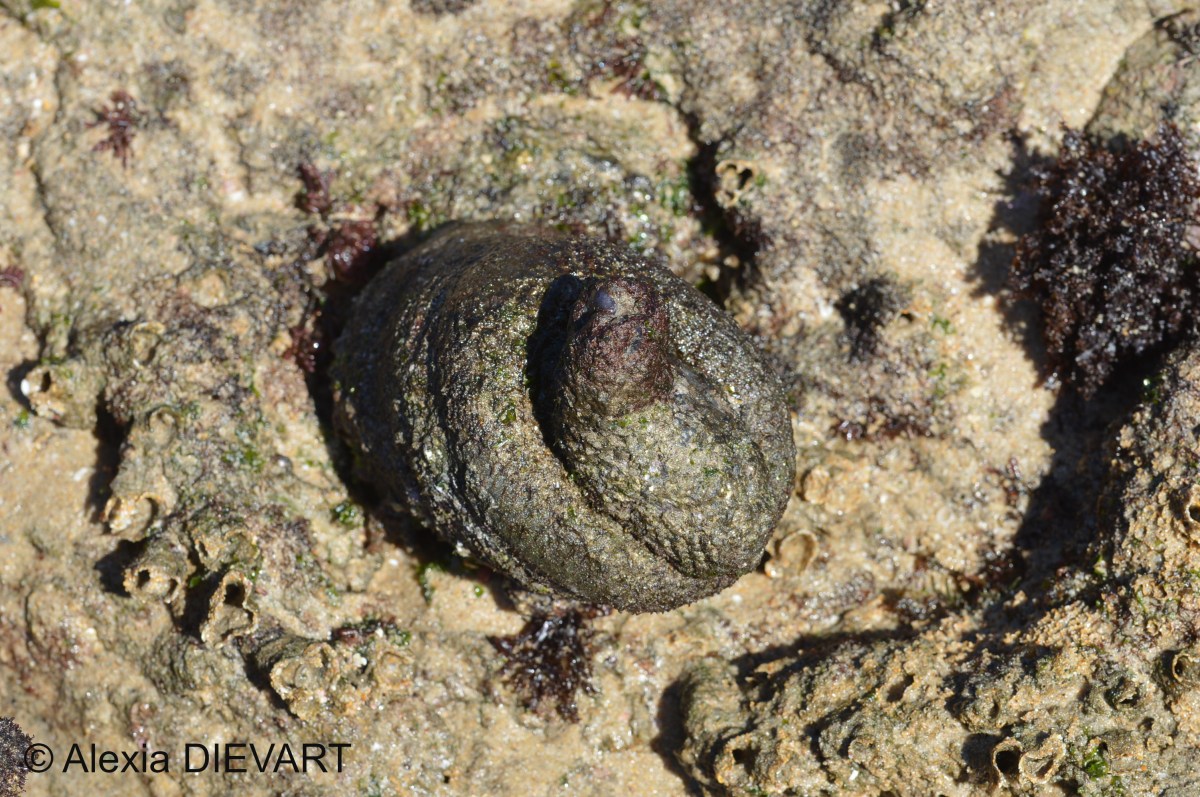
These are lost by the adults, which become sessile, sac-like animals topped by a pair of tubular siphons and enclosed in a cellulose casing or test. Water sucked in through the inhalant siphon is filtered through the enlarged sieve-like pharynx and then expelled through the exhalant siphon.
Most larger ascidians are solitary animals, but many of the smaller species are colonial, either branching from a common base or consisting of numerous tiny individuals – called zooids – embedded in a shared mass or sheet of jelly-like structure. Such individuals may maintain separate siphons or share common exhalant siphons.
Sea squirts are extremely common on most rocky shores and reefs but have not been well studied. Scientific names and descriptions are availably for only a few of the more common species.
 F*CK FISH