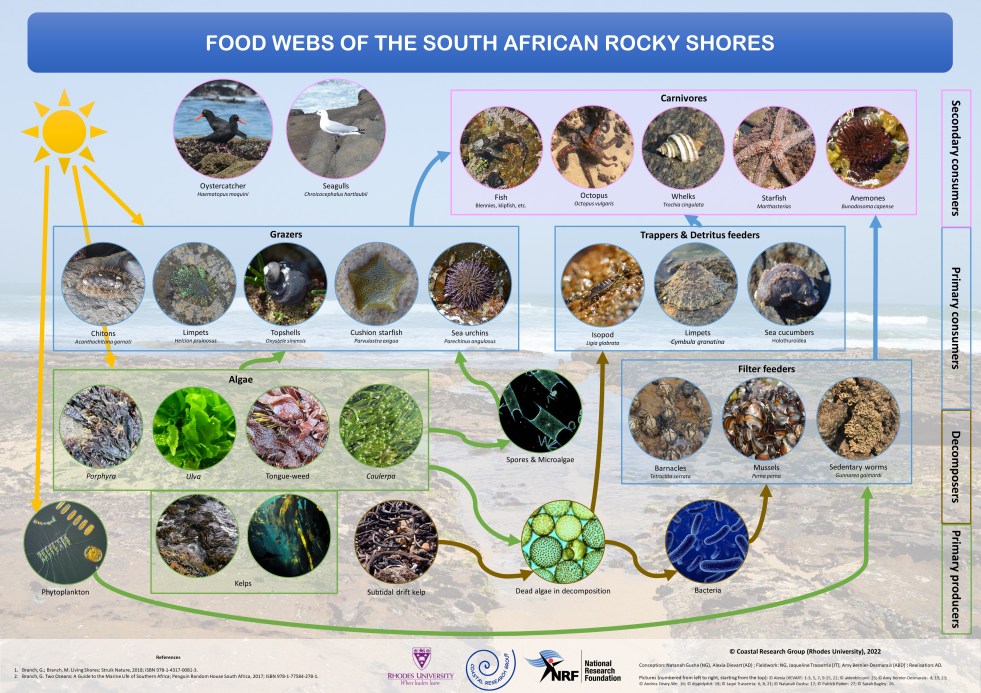
Coastal Research Group (Rhodes University) - SciFest 2022, Makhanda (Eastern Cape, South Africa) High quality PDF available on demand.
Tag: Eastern Cape

Mussels & Parasites: an ecosystem in danger 🐚 [3 min]
#3MT Rhodes University 🇿🇦 - Science Communication Video submitted for the #3MT Competition at Rhodes University 🇿🇦 in September 2023. https://www.youtube.com/watch?v=AobaaNVpWTA&t=1s Just picture it: You have only 3 minutes to present the research that took you three years (or more) to conduct from start to finish. And you must do it in a clear, compelling, and… Continue reading Mussels & Parasites: an ecosystem in danger 🐚 [3 min]
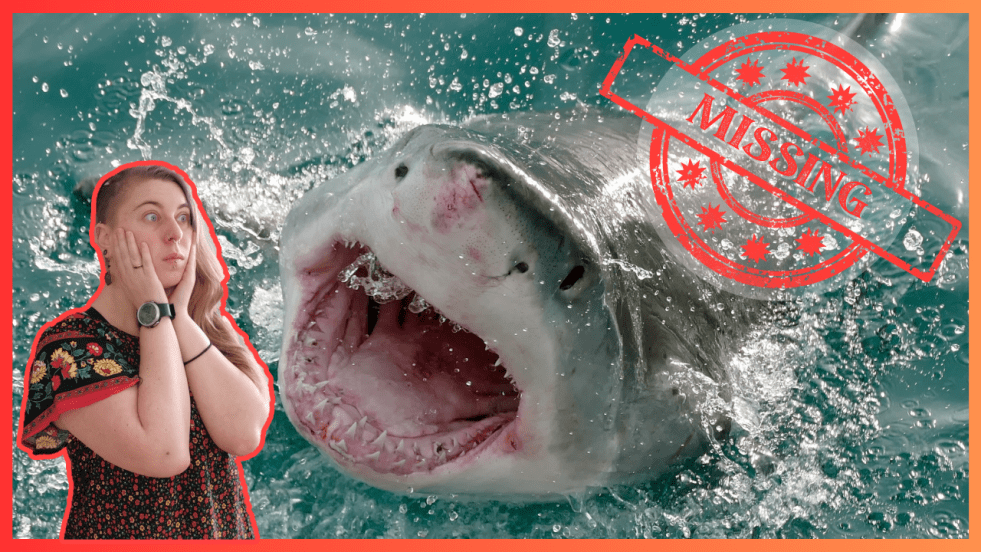
South African Missing Sharks 🦈 🇿🇦 [5 min]
Let's Start A Conversation ! 💬 #1 - Biological & Ecological News Video published on my YouTube channel as part of the 'Let's Start A Conversation' playlist, that shares biological and ecological news in a fun and concise manner. https://www.youtube.com/watch?v=t20rTgSW1-k They are big ! They have teeth ! They eat everything ! And people think… Continue reading South African Missing Sharks 🦈 🇿🇦 [5 min]
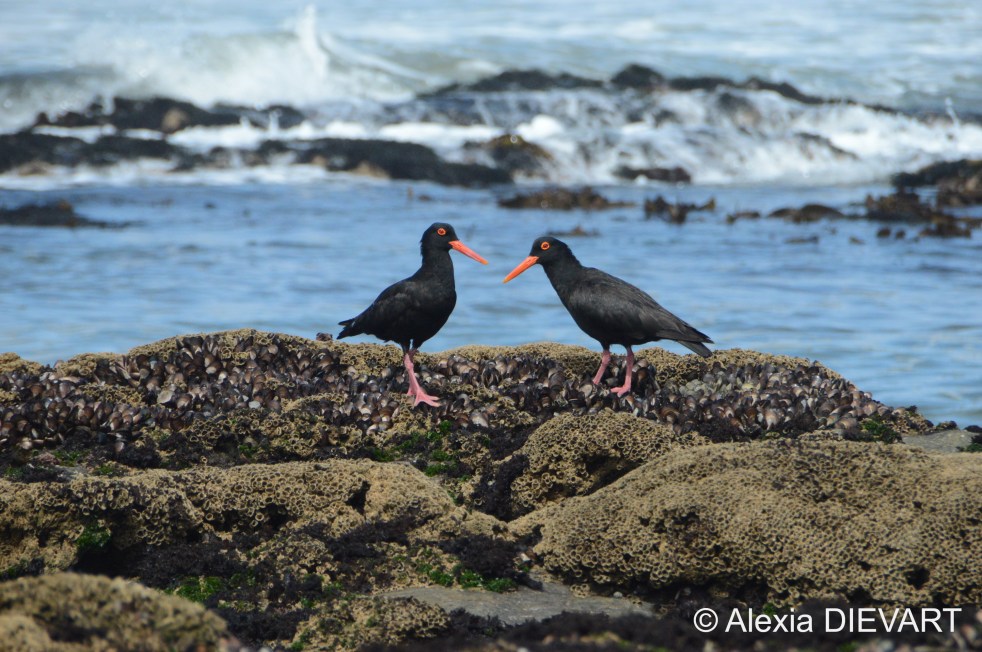
African black oystercatcher (Haematopus moquini)
A couple of African black oystercatcher on mussel beds and worm reefs. Old Woman's River, Eastern Cape (2018) - iNaturalist A large dumpy, unmistakable wader with its jet-black body, short pink legs and bright orange-red bill and eyes.Birds occasionally have white patches on the belly or entire plumage dove-grey. Male's bill averages shorter and less… Continue reading African black oystercatcher (Haematopus moquini)

Pink-lipped topshell (Oxystele sinensis)
Large pink-lipped topshell on a bed of coralline algae. Port Alfred, Eastern Cape (2021) - iNaturalist Larger than the other Oxystele species. Round, blunt-spired shell with fine spiral sculpturing. Dark purple-black above. Aperture with a distinctive pink inner lip. About 45 mm. Lives moderately low on the shore, extending down to about 5 meters. Grazes… Continue reading Pink-lipped topshell (Oxystele sinensis)

Rayed limpet (Helcion pruinosus)
Rayed limpet with iridescent green spots and rays in a shallow rock pool. Port Alfred, Eastern Cape (2021) - iNaturalist Shell low, fragile and oval. Apex about one-third from the front margin. Surface smooth, pale brown, shot with beautiful iridescent green spots and rays. About 25 mm. Hides beneath low-shore boulders during the day, and… Continue reading Rayed limpet (Helcion pruinosus)
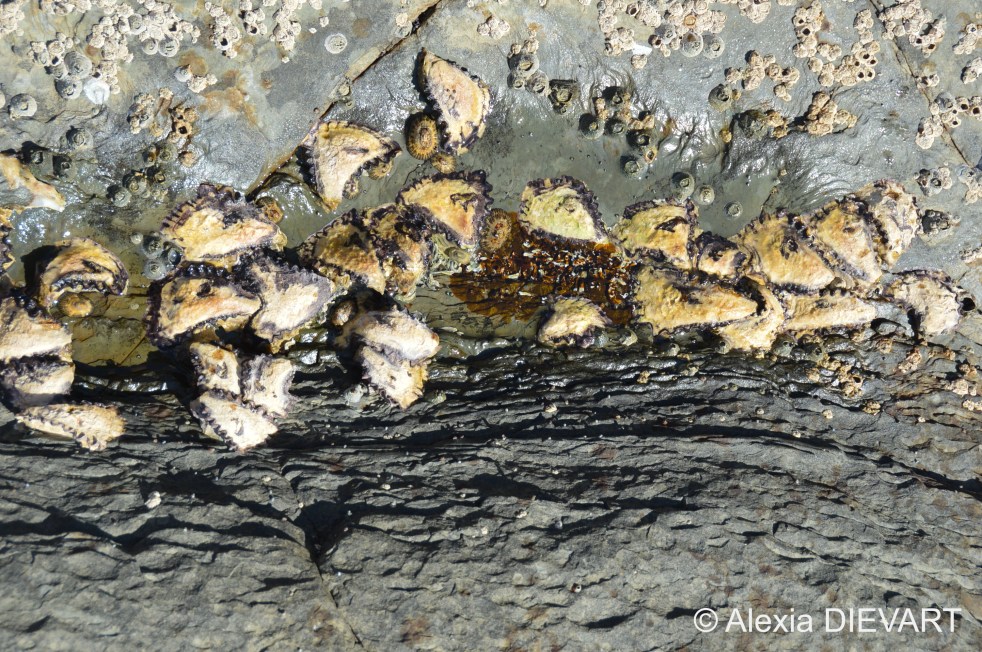
Sun oyster (Saccostrea cuccullata)
Sun oyster bed on a Natal rocky shore. Port St Johns, Wild Coast, Eastern Cape (2021) - iNaturalist Previously known as Crassostrea cuccullata. Also referred to as the Natal rock oyster. Lower valve deeply hollowed below the hinge and cemented to the rock. Upper valve relatively flat. Margins of both valves form a series of neatly… Continue reading Sun oyster (Saccostrea cuccullata)
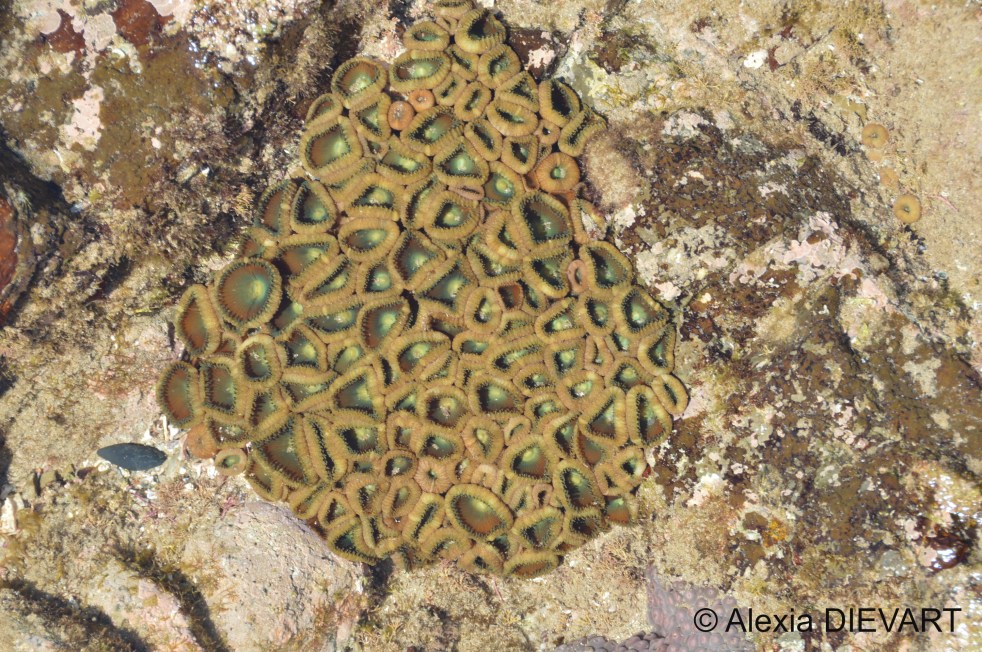
Green button polyp (Palythoa mutuki)
A colony of green button polyps covering the bottom of a rock pool. Port St Johns, Wild Coast, Eastern Cape (2021). Polyps are tall and only thinly connected at their bases by underground stems - called stolons. Column brown, embedded with fine sand grains, giving a sandpapery texture. Column trumpet-shaped when expanded. The wide oral… Continue reading Green button polyp (Palythoa mutuki)

Berry caulerpa (Caulerpa racemosa)
Berry caulerpa embedded in a carpet of zoanthids. Port St Johns, Wild Coast, Eastern Cape (2021) - iNaturalist A mat of rhizomes giving rise to bunches of swollen light blue-green 'berries'. The shape of the berries vary and may be club-shaped, round or trumpet-shaped. Bunches up to 20 mm high. Forming carpets on protected rocks… Continue reading Berry caulerpa (Caulerpa racemosa)

#3MT or how to build engagement in your research
Just picture it: You have only 3 minutes to present the research that took you three years (or more) to conduct from start to finish. And you must do it in a clear, compelling, and engaging manner, without using any fancy words or scientific jargon, for an audience of non-specialists! These are the premises of… Continue reading #3MT or how to build engagement in your research
 F*CK FISH